How to: Concrete and Reinforcement Techniques
Our concrete technique was essential to ensuring that the home would withstand future challenges: wildfires, earthquakes...
Fireproof Concrete House
Concrete is one of the most fire-resistant building materials available. The reason why people might hesitate to choose concrete is the fear of its vulnerability during earthquakes. However, with proper reinforcement and design, a concrete home can withstand significant seismic activity without sustaining damage.
Concrete is the most critical point of the construction and this is where many contractors failed if they try to make shortcut.
Our Step by Step Concrete Recipe
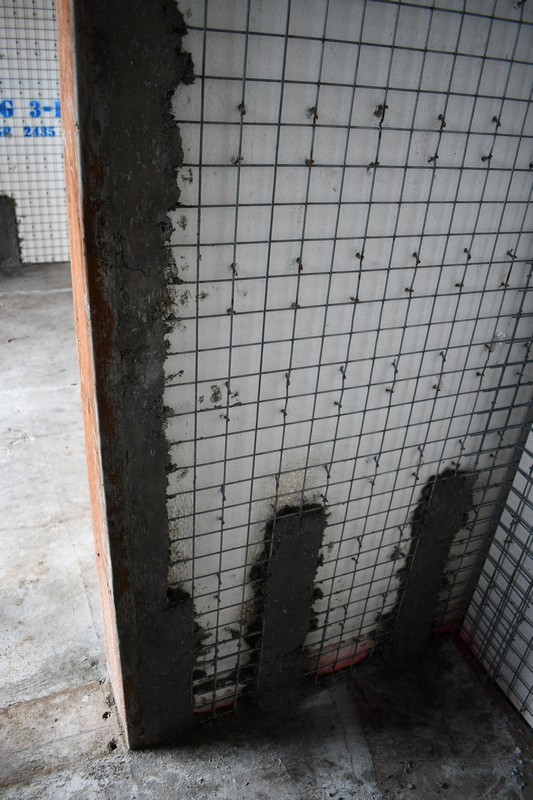
1st step: Concrete on rebar
Manually pouring concrete on foundation rebars to help substain the structure during concrete spraying.
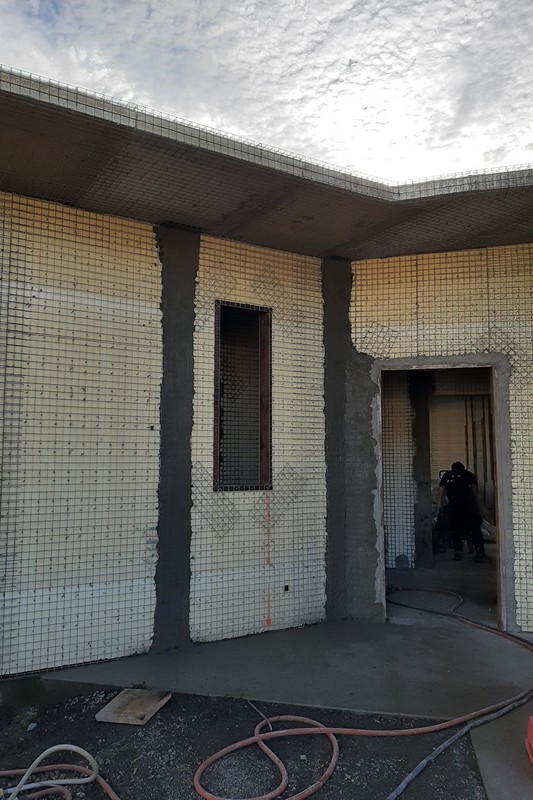
Concrete on Beams
Pouring concrete on beams to prepare a strong bone structure for concrete spraying.
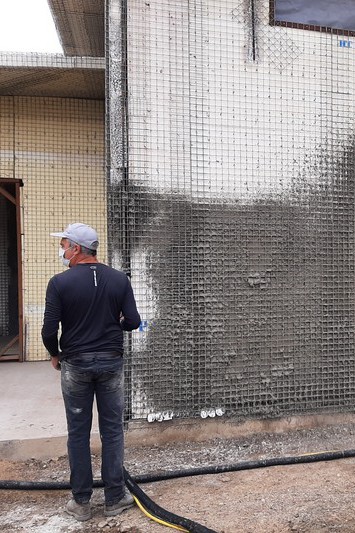
Pumping Concrete
Instead of shotcrete, JP has chosen a Stucco pump and a fiberglass concrete. With this technique, we worked slower, but it gave the concrete time to cure before adding weight on the structure.
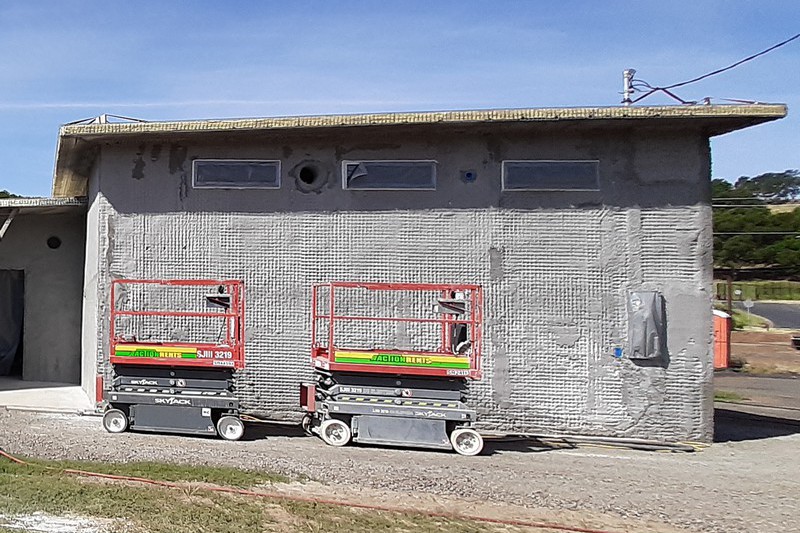
Concrete Spraying - 1st Layer
The first layer of concrete just covers the foam and the grid.
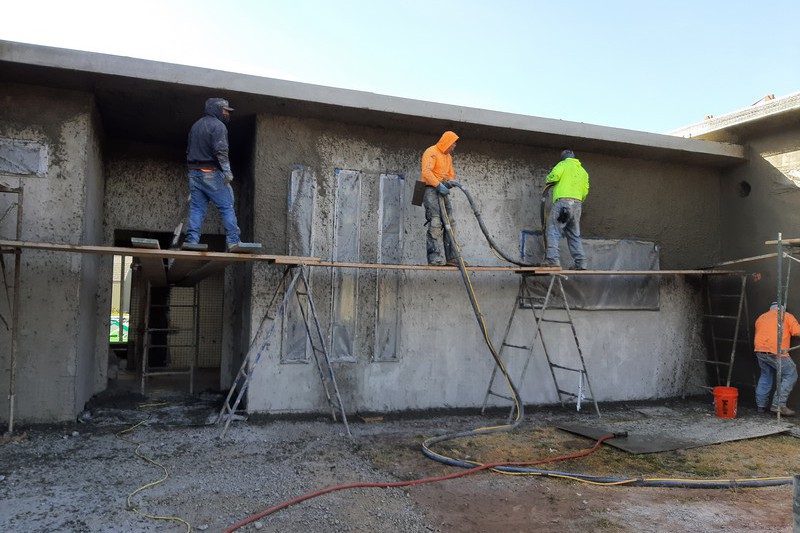
Concrete Spraying - 2nd Layer
The second layer is the finished concrete. It is sprayed over the rough one. This layer is smoothed, We then sanded, sealed and painted it.

Finished Concrete
Our workers have done an amazing work. According to the permit inspectors, it is the best concrete work they have seen.
Addressing Earthquake Concerns
When talking about our home, the most frequently asked questions were about earthquake resistance. Many people are hesitant to build with concrete believing it may crack or collapse during an earthquake.
In our case, we took proactive measures to ensure that the house would be earthquake-resistant. The design was calculated for an 8.5 magnitude earthquake. This level of consideration goes beyond the standard requirements, providing enhanced safety during seismic events.
We used a higher grade of concrete—5000 psi, compared to the standard 2500 psi required. This significantly improves the material's strength and ability to withstand the forces of an earthquake. Additionally, we reinforced the structure with extra rebar, which helps the concrete resist cracking and shifting during seismic activity. The house has been built like a block.
Rebars Reinforcement
The panels have strong metal trusses going through, but we still reinforced the structure by adding rebars, in the foundation for standing panels, in the ceiling for the span and in beam. The house was calculated for resisting a 8.5 magnitude earthquake. We put more rebars that required.
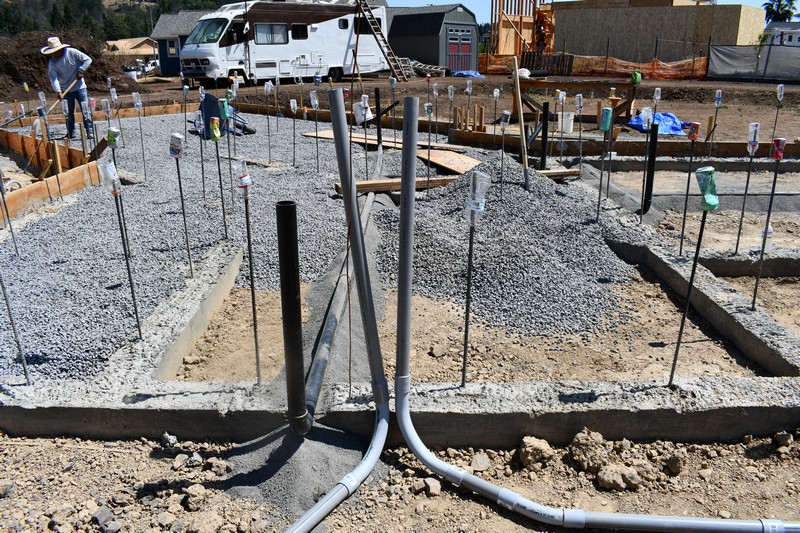
Foundation Rebars
These rebars were deeply poured into the foundation footings, so they could hold the standing panels.
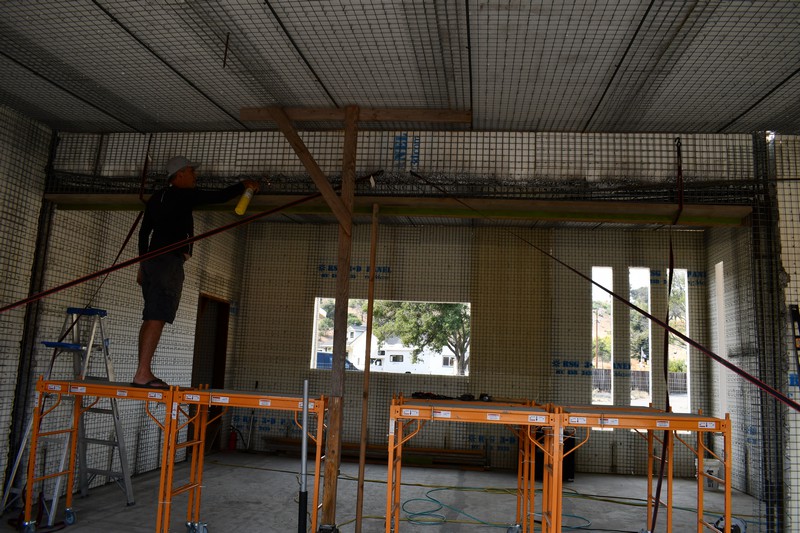
Rebars inside the Beams
A large reinforced beam carried the weight of the roof panels.
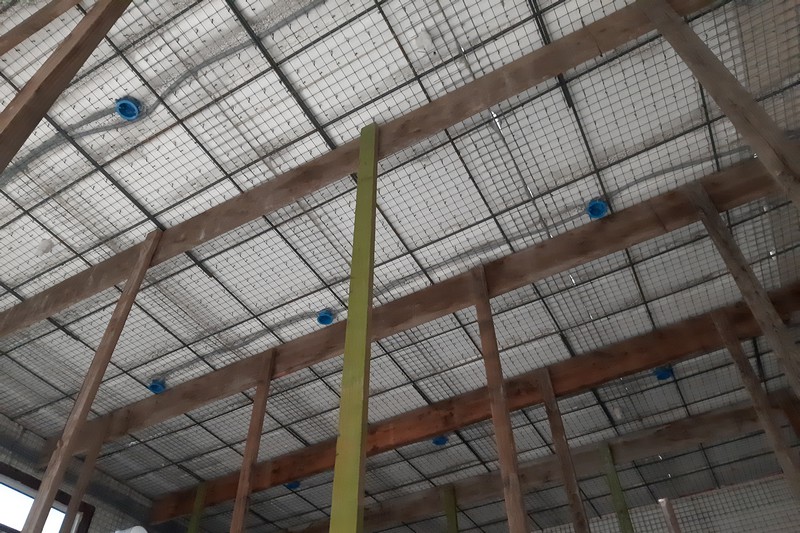
Rebars to reinforce roof span
For the ceiling JP has innovated the technique of crossing rebars, to reinforce ceiling span. The manufacturer requirements were for on side only.
Real-World Test: Earthquake Resistance in Action
On September 2022, our home was tested during a 4.5 magnitude earthquake, with the epicenter located less than 500 meters away. The house experienced no cracks or damage.
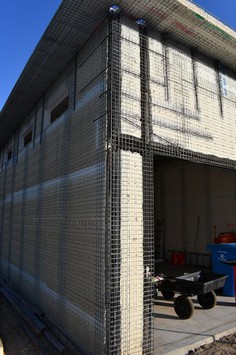
Vertical Beam
The vertical neam substains the structure. It is like a bone structure.
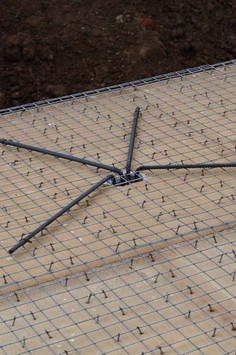
Roof rebars for beam
Four rebars go all long the corner beams. The rebars are binding on the roof to make it stronger.
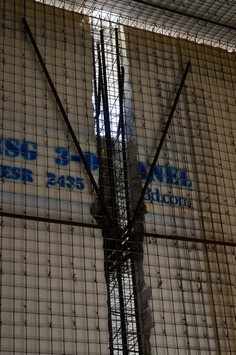
Rebars on vertical Beam
This was a strategic point where two roofs are joining. The V-form gives more strength.
For more details about the building process and techniques, feel free to explore other sections of our website or reach out to us directly.