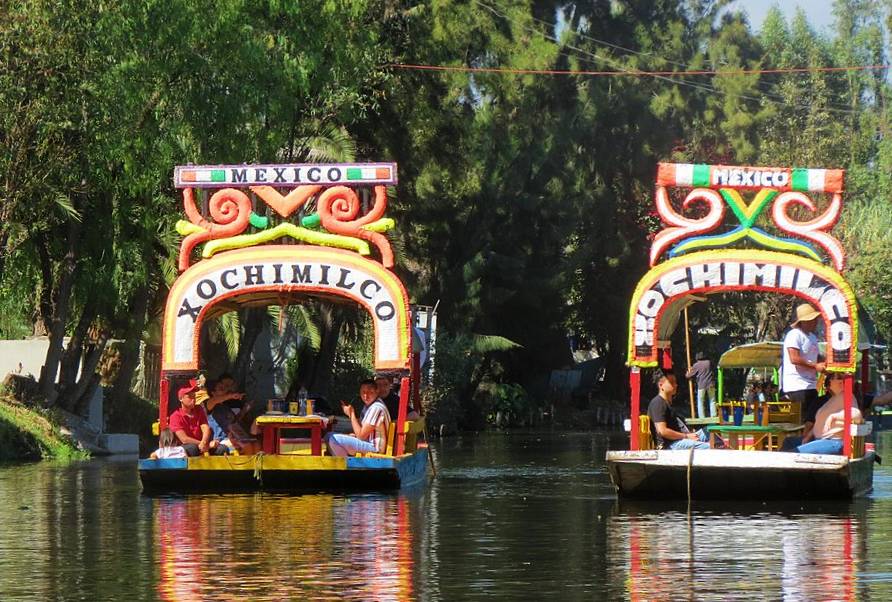
Situated in the serpentine canals of Xochimilco, south of Mexico City, lies a haunting and
mysterious site known as La Isla de las Muñecas, or the Island of the Dolls. This
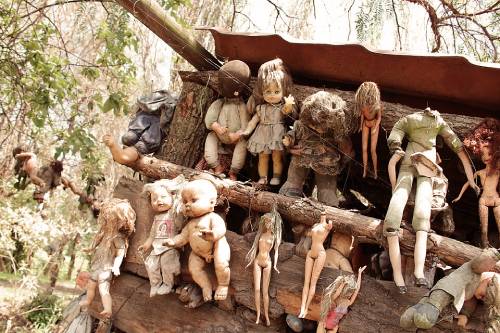
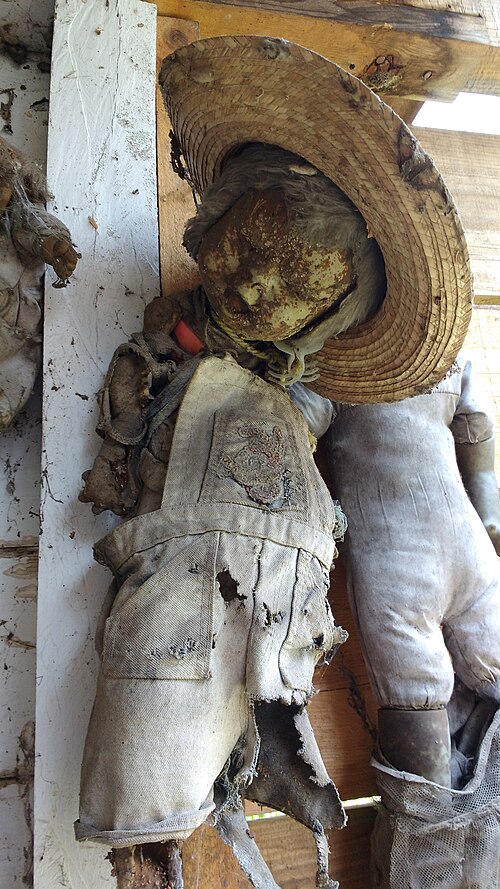
small man-made island, known as a chinampa, is covered in hundreds of weathered
and decaying dolls. Their lifeless eyes and broken limbs dangle from trees, buildings, and
makeshift altars, creating a deeply unsettling and eerie atmosphere.
Originally unknown to outsiders, the island has gained international fame as one of the most
bizarre and creepy destinations in the world. Despite its disturbing appearance, it continues
to draw curious visitors, dark tourists, and paranormal investigators, all eager to
experience its strange energy firsthand.
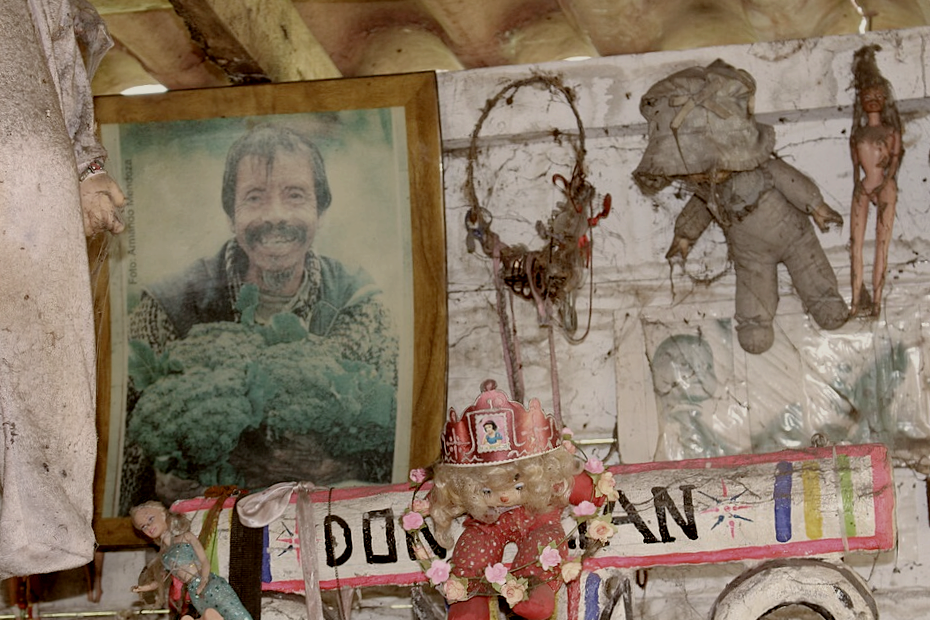
The origins of the Island of the Dolls trace back to the mid 20th century, when a man named
Don Julián Santana Barrera chose to live alone on the island. According to both oral tradition
and documented stories, Barrera was deeply affected by a tragic event: the drowning of a young
girl in the surrounding canal. Soon after her death, he found a doll floating in the water and,
believing it to be a sign or belonging to the girl, he hung it on a tree as a form of tribute
and spiritual protection.
What started as a single doll quickly became a lifelong mission. Barrera began collecting more dolls,
some salvaged from the trash, others traded for produce from his garden, and hung them throughout
the island. He believed they kept evil spirits away and protected him from supernatural harm.
In 1943, the island caught public attention when the famous Mexican filmmaker Emilio “El Indio”
Fernández used it as a filming location for María Candelaria, a critically acclaimed movie starring
Dolores del Río and Pedro Armendáriz. However, it wasn’t until after Barrera’s death in 2001 that the island
truly became a major tourist destination. His family opened it to the public, preserving the dolls,
the three huts on the grounds, and his original sleeping quarters where his first and favorite dolls,
Agustina among them, are still displayed today.
The most enduring part of the island’s fame is the chilling legend tied to Don Julián’s life and death.
Some versions of the story say he discovered the girl’s body; others suggest he may have heard her cries
but failed to save her. After her passing, he began to experience strange occurrences on the island,
unexplained whispers, footsteps, and eerie sensations, which he attributed to her restless spirit.
Barrera's actions were seen by some as an effort to appease or protect himself from this ghostly presence.
He claimed the dolls began to take on a life of their own. Visitors have since reported seeing the dolls
blink, move their heads or arms, or even whisper to one another when no one is around. Paranormal
investigators have filmed entire episodes at the island, trying to capture evidence of supernatural
activity, further cementing the site’s reputation.
The legend took an even more haunting turn when Don Julián died in 2001. While fishing with his nephew,
he claimed to hear voices or "mermaids" calling to him from the water. Later that day, he was found
dead, face down in the very canal where the girl was said to have drowned decades earlier. To many,
this eerie coincidence validated the supernatural story, and his death added another layer of mystery
to the island.