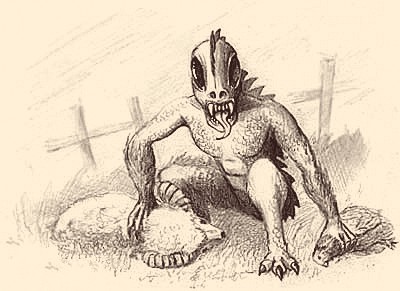
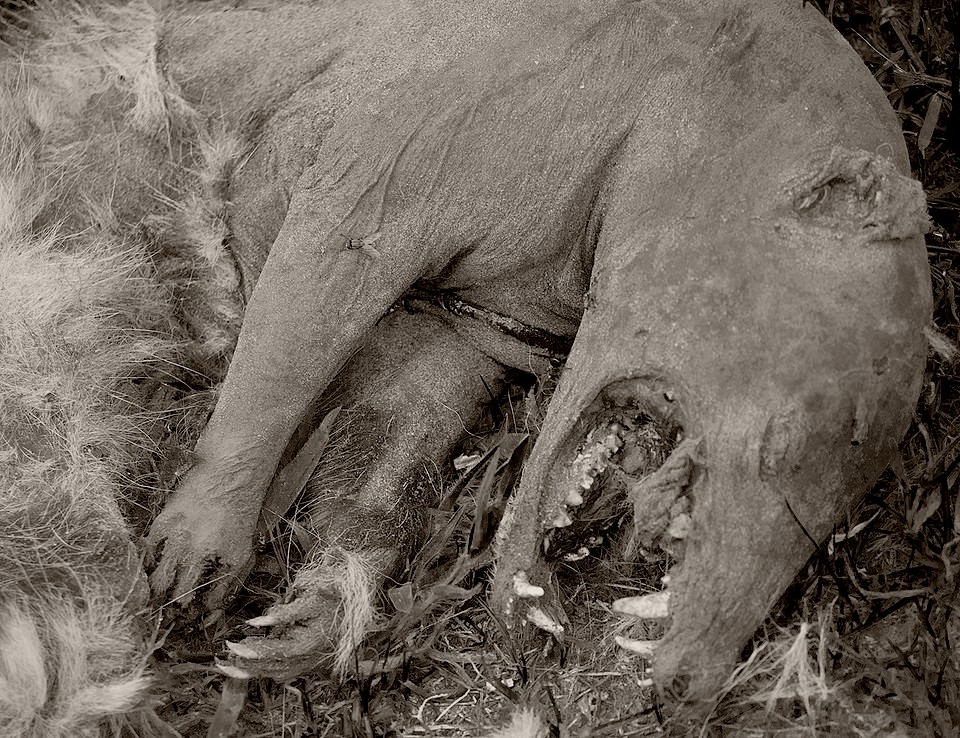
The term chupacabra refers to a legendary cryptid described as a
creature that attacks livestock,particularly goats, and drains them of their blood.
Its name comes from the Spanish words chupar (“to suck”) and cabra
(“goat”), literally meaning “goat-sucker.”
The legend originated in Puerto Rico in 1995 but quickly spread across Latin America,
the United States, and even as far as Spain, the Philippines, and Russia. Although
widely considered a modern myth, the chupacabra has become one of the most well-known
creatures in contemporary folklore.
The first reported attack attributed to the chupacabra occurred in March 1995 in
Puerto Rico. Eight sheep were found dead with three puncture wounds in their chests
and reportedly drained of blood. A few months later, a woman named Madelyne Tolentino
claimed to have seen the creature in the town of Canóvanas. Soon after, over 150
similar animal deaths were reported in the area
Interestingly, there was an earlier case in 1975 known as El Vampiro de Moca
("the Vampire of Moca"), where a series of livestock killings in Puerto Rico also
involved drained animals with small circular incisions. While initially blamed on a
Satanic cult, some believe this may have been an early manifestation of the chupacabra
legend.
The chupacabra legend blends folklore, fear, and pop culture. While lacking scientific
credibility, it remains a fascinating cultural phenomenon and a modern myth that
continues to thrive in stories, films, and alleged sightings.
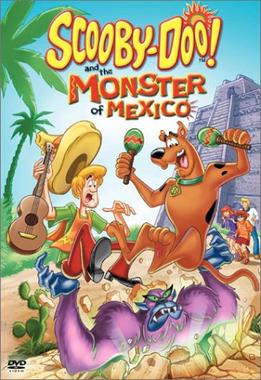
Its eerie appeal has earned it appearances in cartoons, TV series, horror films, and video
games, often portrayed as a mysterious and terrifying creature.
Beyond entertainment, the chupacabra reflects deeper anxieties in rural and marginalized
communities, fears of the unknown, threats to livelihood, and mistrust of authority.
Making it a symbolic figure as well as a cryptid curiosity.