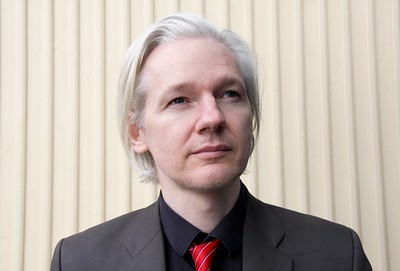
assange.jpg
Image of Julian Assange
Fig.1 - Julian Assange
"Julian Assange, Wikileaks" by Espen Moe at Flickr is licensed under CC BY 2.0 DEED
hacking.txt

One of Julian Assange's first experiences with the digital world was through his hacking acitivities. By the age of 16, he had established himself under the codename Mendax, and had his mother's home raided and his equipment confiscated by the police.
Although Assange perpetrated many acts that would generally be considered immoral or unethical, such as getting the password to Australia's Overseas Telecommunications Commissions mainframes, allegedly being involved in a worm virus spread in NASA, allegedly backdooring a private U.S. military network, and developing a program that allowed for massive attacks on the U.S. military, he operated under a strict code: he did not damage or crash any systems or data he hacked.

wikileaks.txt

In 2006, Assange, with a group of like-minded dissidents, mathematicians, and activists founded WikiLeaks, a media organization dedicated to publishing leaked and classified documents.
Assange explained that the strategy behind WikiLeaks was to use leaks in order to force organizations into increasing transparency and reduce levels of dishonesty. In addition to this, he believed that secrecy led to inefficiency, as the more secretive or unjust an organization is, the more leaks induce fear and paranoia in the leadership and planning coterie."

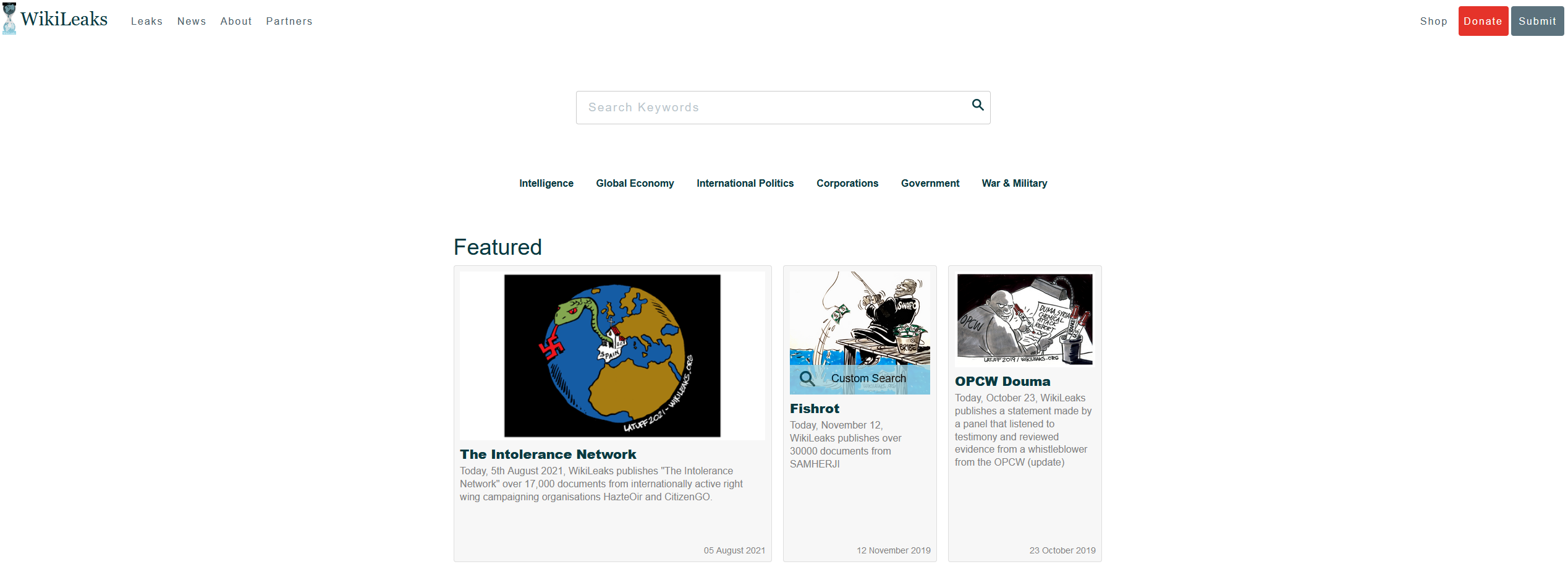
wikileaks.jpg
Screenshot of the WikiLeaks homepage
Fig.2 - WikiLeaks homepage
impact-legacy.txt

Although Assange's methods leave room for criticism, the actions he has taken have made undeniable impacts in the landscapes of journalism and organizational secrecy. He has brought awareness to the rampant government secrecy present in the modern world, and seeks to continue spreading this information through the digital realm.