There are over 60 sheep at YML.
Cheviot
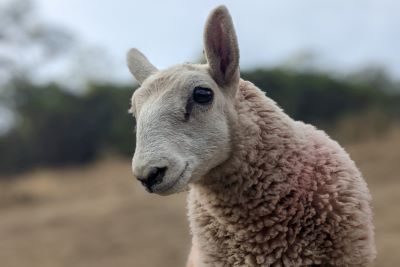
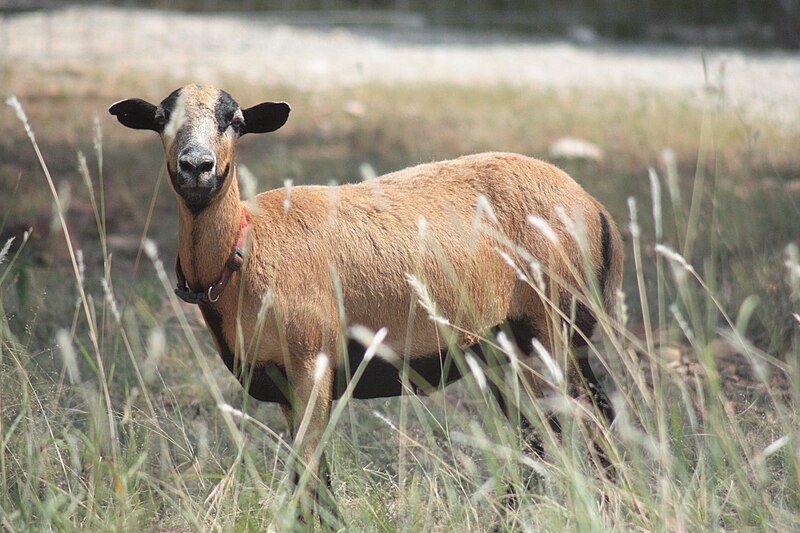
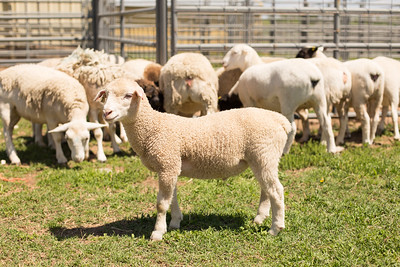
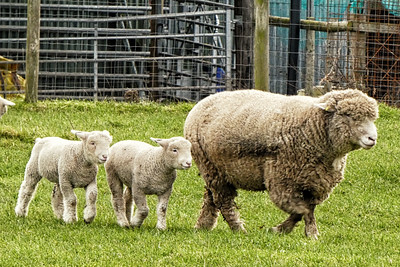
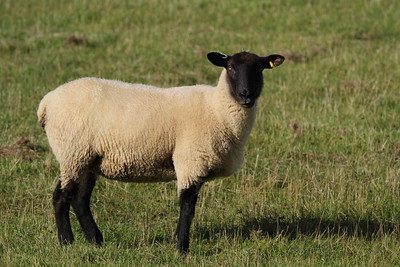
Sheep are a ruminant animal (they have a 4-chambered stomach). Much like cattle, sheep need a combination of roughages (high in fiber), grains, protein supplements and other feeds. Water is always made available. Sheep often graze pastures, or they are fed hay. The behavior of sheep is worth mentioning. Sheep have an innate sense or fear of predators and other dangers, and they are easily frightened or spooked. They will tend to stay together in a group (flocking instinct), and move as a group. Most sheep also have a strong territorial instinct, and are comfortable in areas they consider “home,” such as barns, barn lots and pastures. They become used to their shepherds and guard animals. Sheep, like several other animals, are colorblind. They have wide angle vision, lack the ability to recognize small details, but have good depth perception. When moving sheep, shepherds know that if they can get one to go, the flock will go, due to their gregarious nature. Predators, such as coyotes and wild dogs, are a problem in sheep flocks. Many shepherds use guard dogs or other guard animals trained to protect sheep. Guard dog breeds include Great Pyrenees, Komondor, Anatolian Shepherd, Maremma, and Akbash Dog. Other guard animals may include llamas, donkeys, mules, or ostriches. Some research indicates that co-grazing sheep with cattle reduces predation by coyotes.
Information provided by Purdue University
There are about 15 goats
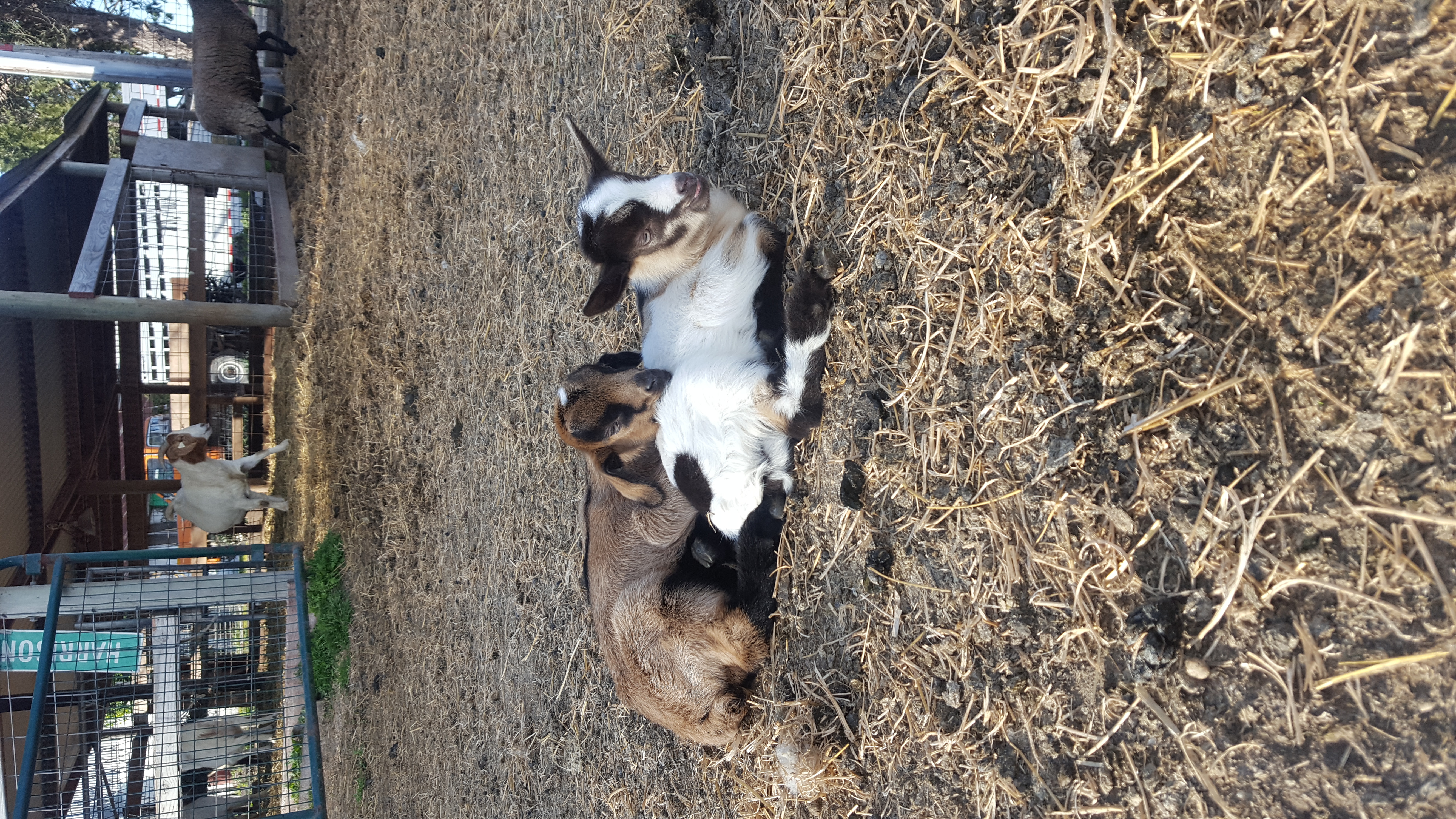

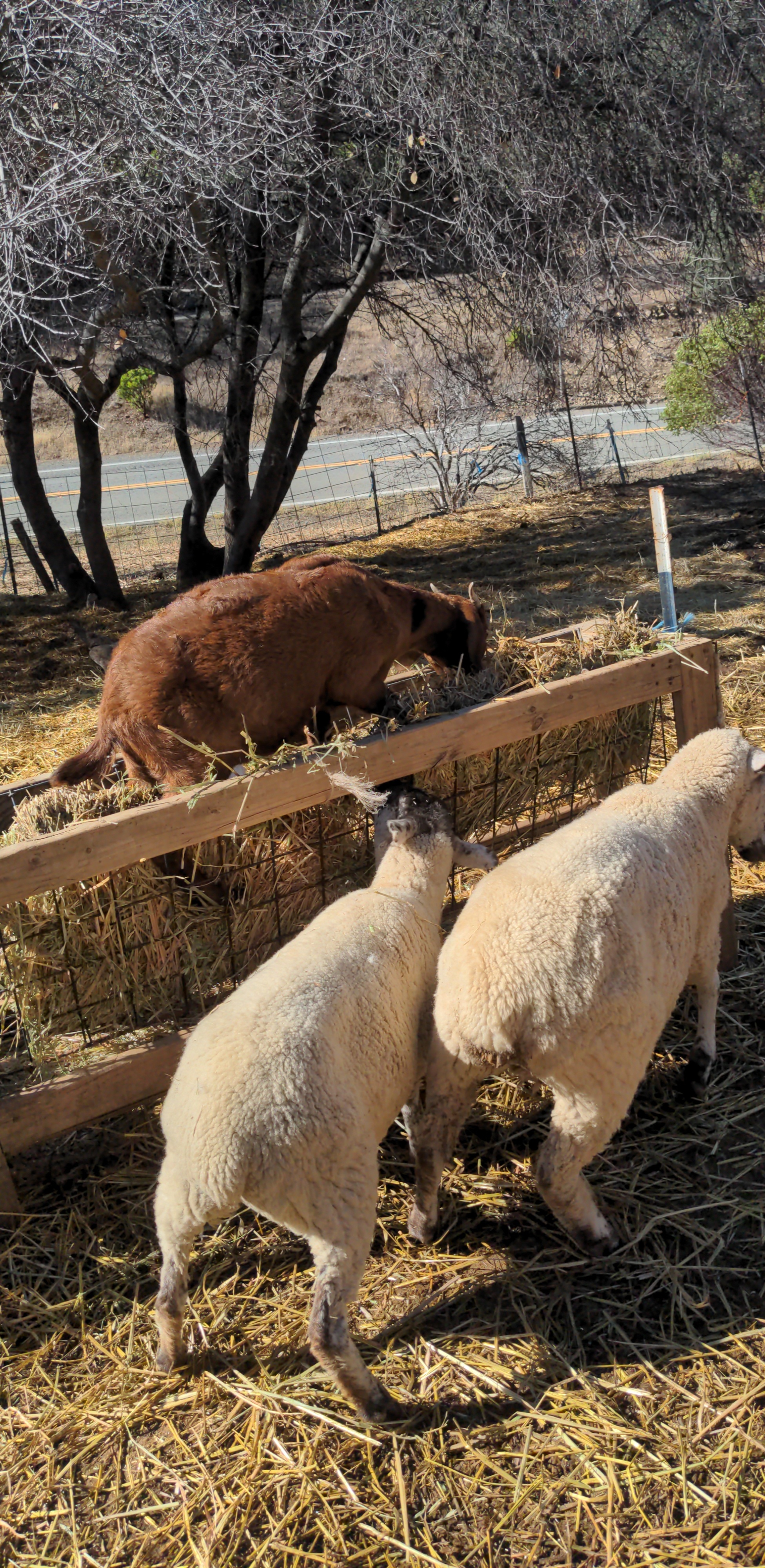
The goat is thought to be one of the first domesticated animals. Goats are found on every continent and in all parts of the world, except for the Arctic. They are a very important part of many cultures and ethnic groups. Goats are ruminant animals with a 4-chambered stomach. They need a combination of high-fiber roughages (such as pasture or hay), and concentrates to supply energy and nutrients. Concentrates may include cereal grains like corn, oats, or wheat, along with fats, minerals, proteins and vitamins. Water is always made available. Goats don’t like to get their feet wet. You may have noticed some barn lots with goats where the producer has provided a “mini-mountain” for goats to climb on. They love to climb and play “king of the mountain;” it is instinctual to their nature. Goats also love to browse on shrubs and other types of plants. Capitalizing on this trait, experiments have been done in forestland with goats in efforts to control multiflora rose, an invasive plant species. Although goats can usually be distinguished easily from sheep, one way to tell the difference is to look at their tail. Goats’ tails stick up, while sheep tails hang down (sheep tails may also be docked, or shortened, for health and sanitary reasons). If you ever look closely at a goat’s eye, you may be surprised. People, along with many other animals, have round pupils, while a goat’s pupil is rectangular in nature, situated horizontally. This increases their depth perception and peripheral vision.
Information provided by Purdue University