The Supercontinent and its Geography
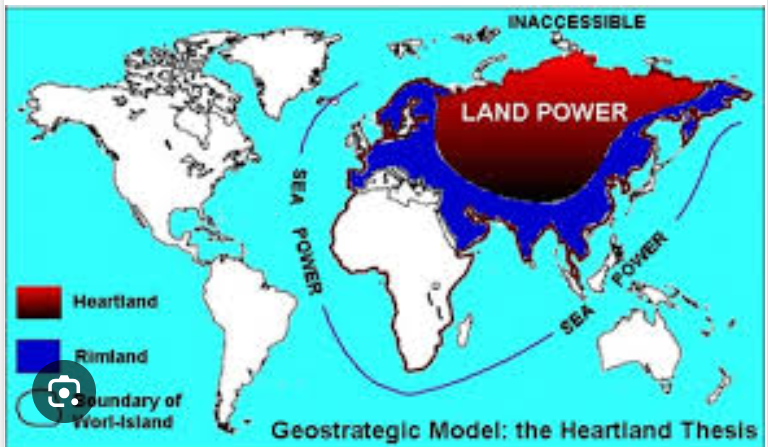
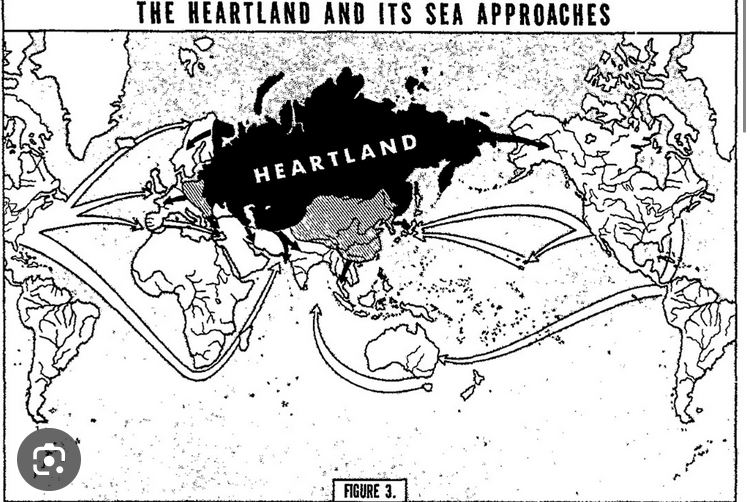
In 1904 The British geographer Halford Mackinder write a paper entitled "The Geographic Pivot of History" which argued that world history pivots on the Central European heartland which has historically been home to the nomadic tribes (like the Mongol) which conquered many a sedentary people. This region is his thinking encompassed the lands that are generally considered to be part of the historical silk road that were then roughly contiguous with the Russian Empire. The Silk Road as a series of networks but for our purposes it will be defined as the landlocked areas in the center of the Eurasian supercontinent beginning in Germany, econpassing the Black and Baltic seas and extending through the Balkans, caucasus, Central Asia, Iran, northern India and western China.