The Colosseum
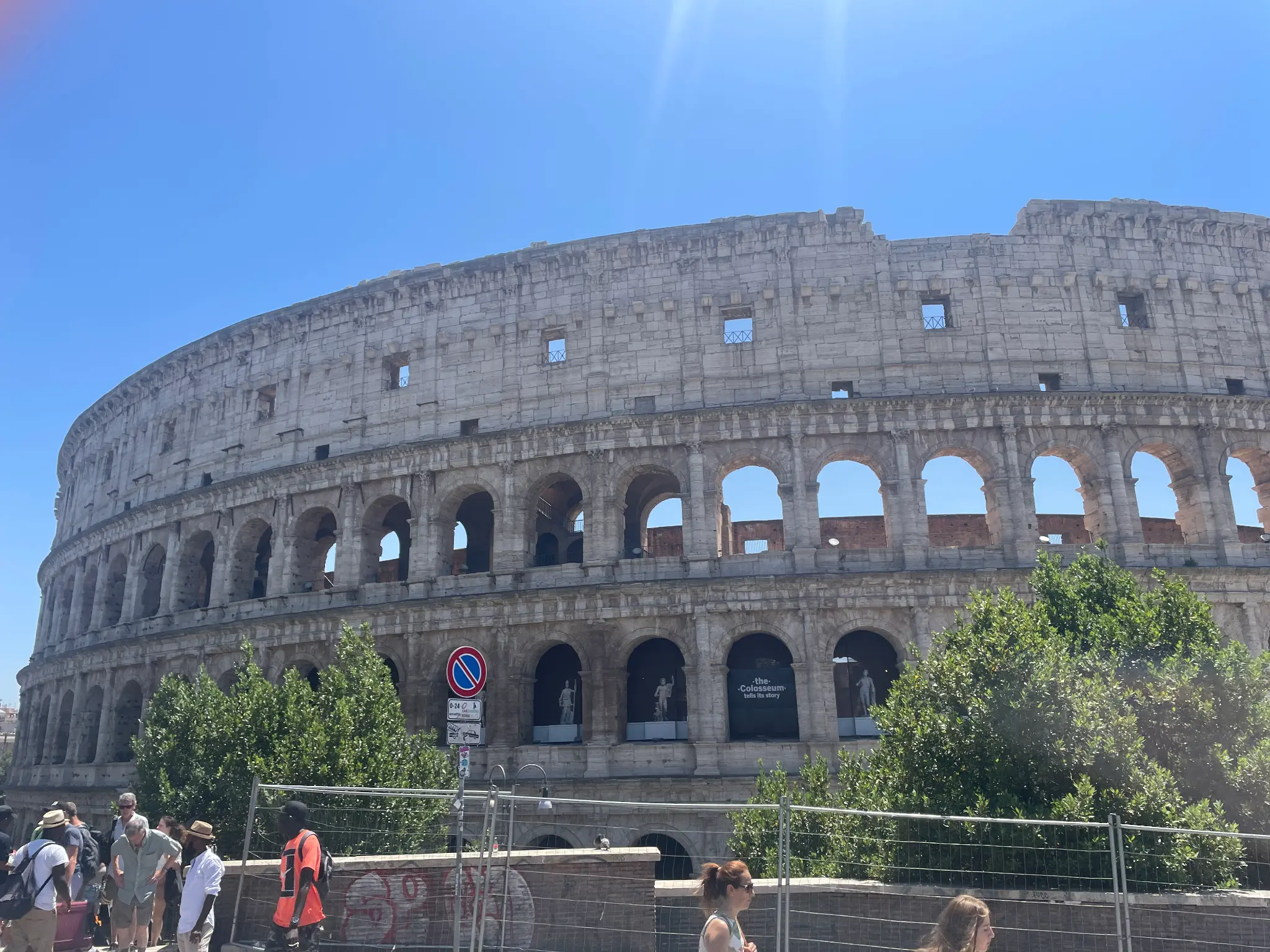
This iconic amphitheater is a symbol of Imperial Rome and one of the greatest works of Roman architecture and engineering. Imagine the gladiatorial contests and public spectacles that once took place within these ancient walls.
Did You Know?
The Colosseum could be flooded to stage mock naval battles (naumachiae)!
It could hold an estimated 50,000 to 80,000 spectators.
A Glimpse Through Time
-
AD 72 - Construction Begins
Emperor Vespasian starts construction of the Flavian Amphitheater on the site of Nero's Golden House.
-
AD 80 - Inauguration
The Colosseum is inaugurated by Emperor Titus with 100 days of games, including gladiatorial combats and wild animal fights.
-
AD 217 - Fire Damage
A major fire, supposedly caused by lightning, damages the upper wooden levels of the Colosseum.
-
5th Century - End of Gladiatorial Games
Gladiatorial contests are phased out, with the last known one taking place in AD 435.
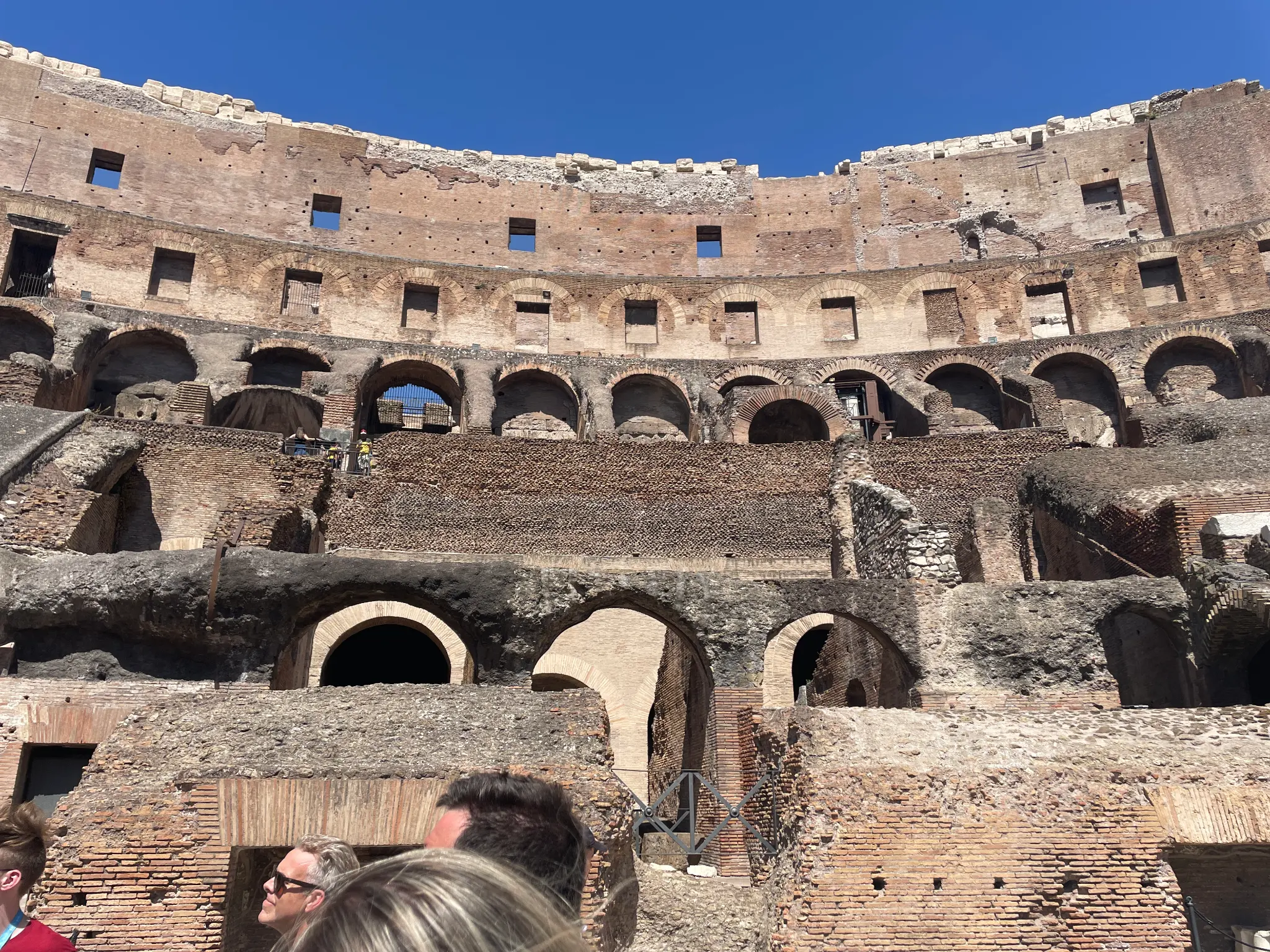
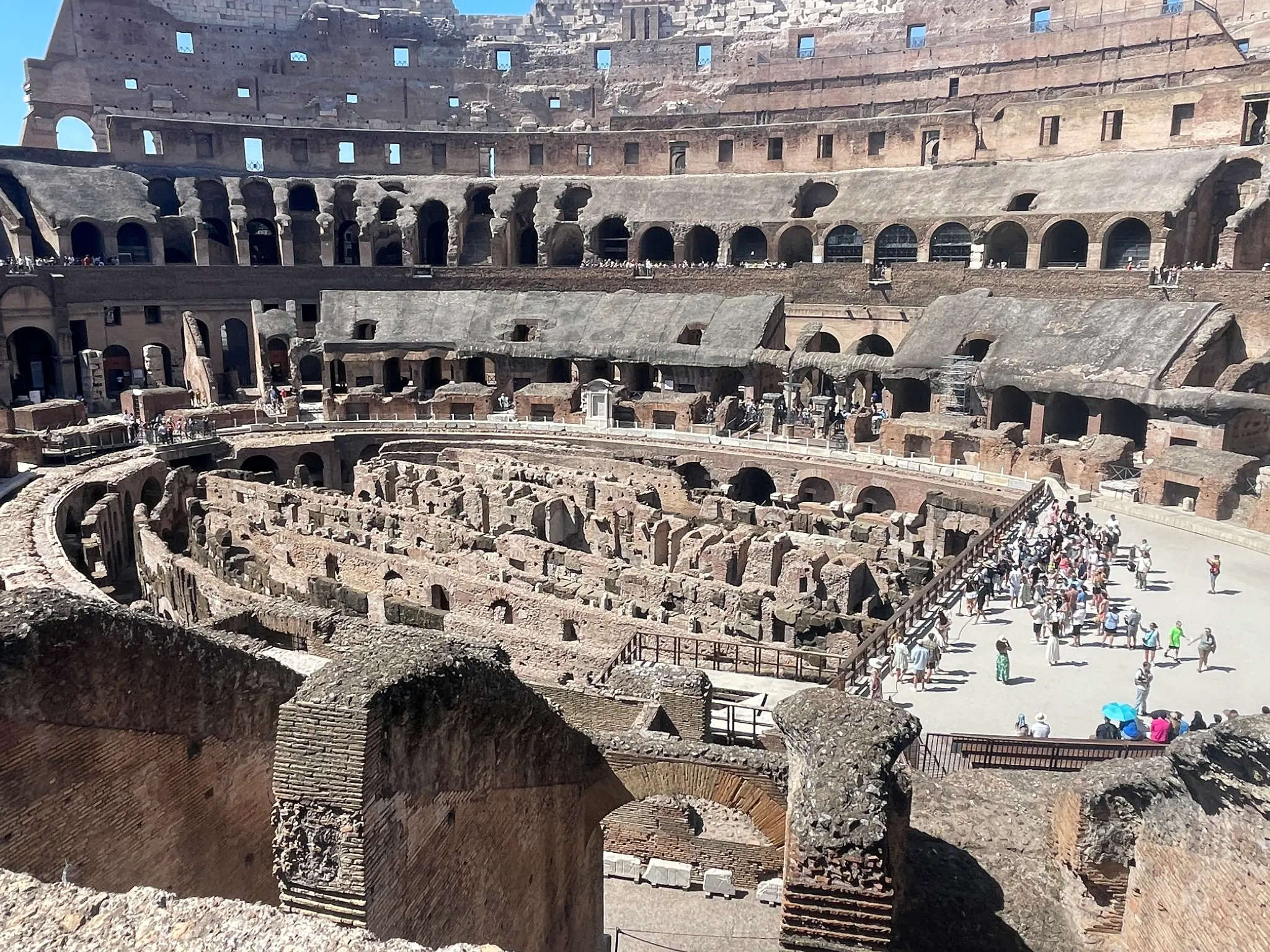
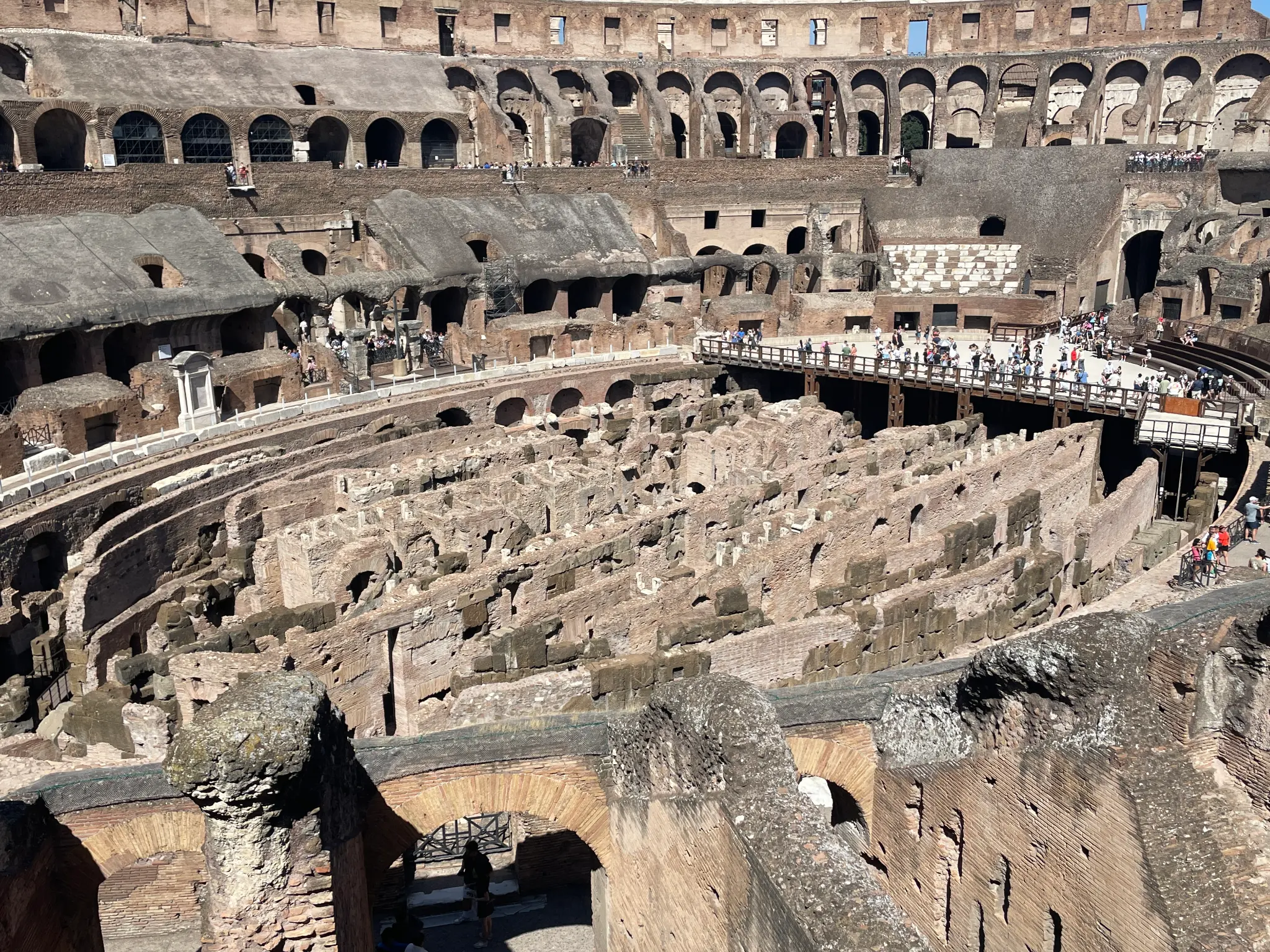
Views of the Colosseum
Historical Facts
Construction began under Emperor Vespasian in AD 72 and was completed in AD 80 under his successor and heir, Titus. Further modifications were made during the reign of Domitian (81–96).
Architectural Details
The Colosseum used various orders of columns: Doric on the ground floor, Ionic on the second, and Corinthian on the third. It had 80 entrances and a massive retractable awning (velarium).
Visitor Information
Tips for visiting, opening hours, ticket information, and what to expect. Consider booking tickets in advance to avoid long queues. Audio guides are available.