
The Mystery of Thule
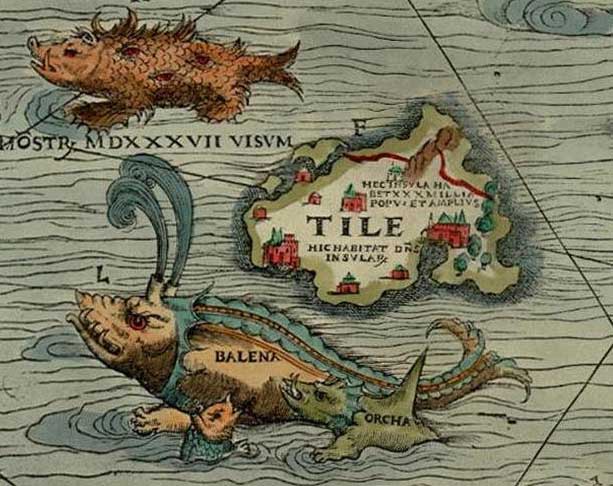
Thule was first described by ancient Greek geographer Pytheas, who claimed to have visited the land around 300 BCE. Located in the far north, Thule was depicted as a place where the sun never sets in summer. This has led to speculation that it could have been somewhere in the Arctic Circle, such as Norway, Iceland, or Greenland.
Throughout history, Thule has captured the imagination of scholars, mystics, and explorers. During the early 20th century, it took on a mythological dimension through its association with Aryan and occult ideologies in Germany, notably the Thule Society, which played a role in the origins of the Nazi Party. These associations gave Thule a dark and controversial legacy.
Despite no concrete archaeological evidence of its existence, Thule remains a powerful symbol in both esoteric traditions and academic debates. Its meaning has evolved from a geographical location to a symbol of the limits of the known world.
Legacy and Modern Influence
Today, Thule continues to appear in literature, games, and conspiracy theories. Its name has been used for military bases, companies, and fictional settings. The U.S. Air Force even operates a base named Thule Air Base in Greenland, adding a modern geopolitical angle to the name.
Thule represents the enduring allure of the unknown. As with many lost civilizations, the mystery is what keeps it alive in the cultural imagination.