Hyperborea: Land of Eternal Spring
Hyperborea, meaning "beyond the North Wind," was a legendary paradise mentioned in Greek mythology. Said to lie far north of Thrace, Hyperborea was believed to be a land where the sun shone 24 hours a day and its inhabitants lived for a thousand years in peace and joy.
The Hyperboreans were described as a race of giants or semi-divine beings, untouched by war or disease. Their culture was thought to be deeply spiritual, with strong ties to the god Apollo, who was said to spend his winters in Hyperborea.
Despite being a myth, the idea of Hyperborea has influenced writers, philosophers, and occult thinkers for centuries. Some 19th and 20th century theories even attempted to tie Hyperborea to Atlantis or ancient Arctic civilizations.
Modern Theories
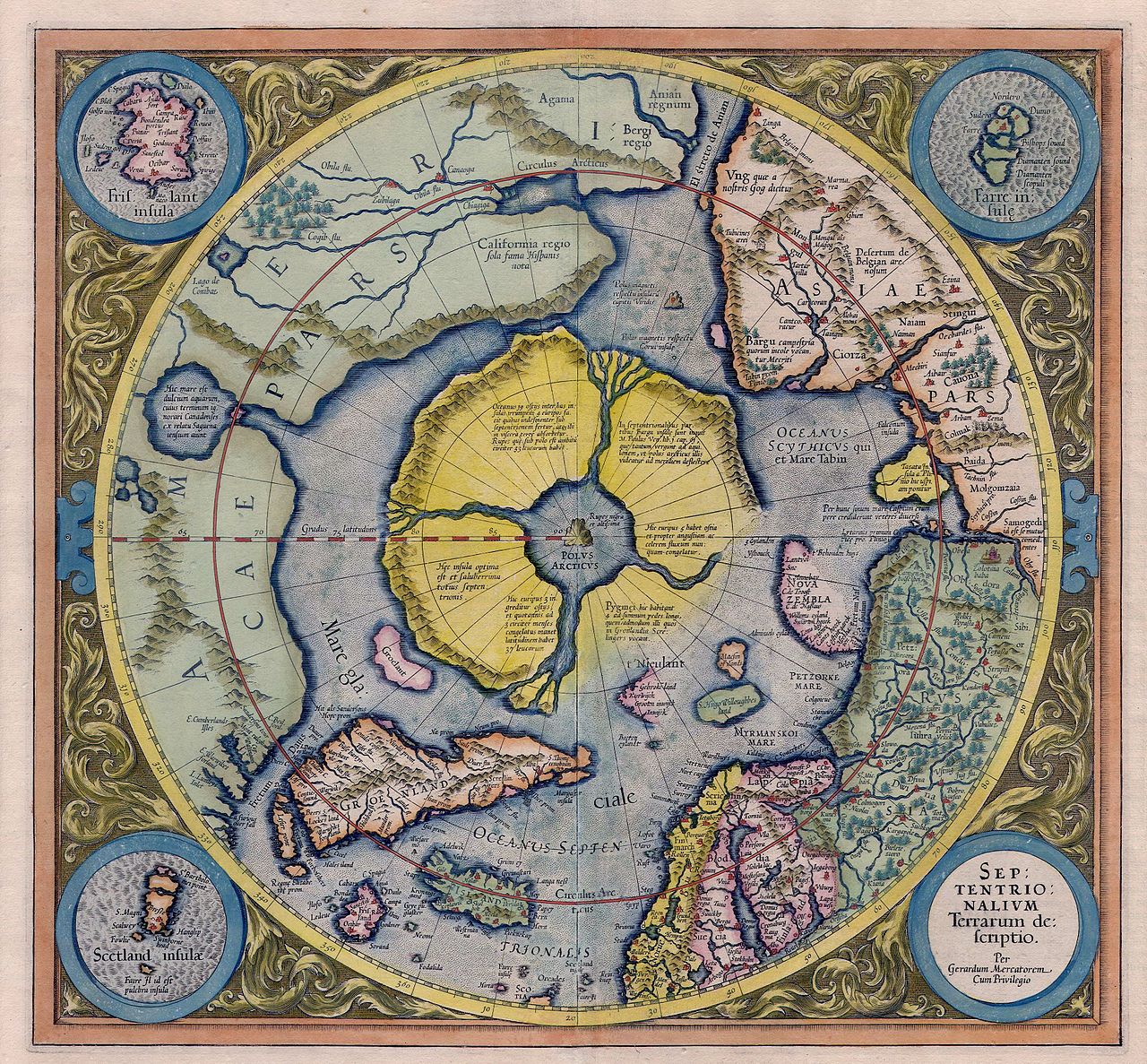
Like Atlantis and Thule, Hyperborea has been woven into esoteric traditions. Some theorists have proposed that Hyperborea was a real prehistoric civilization that predates recorded history, possibly located near the North Pole before climate changes buried it under ice.
Though these ideas remain speculative, Hyperborea continues to appear in science fiction, fantasy, and conspiracy narratives as a symbol of lost wisdom and purity.