La Llorona

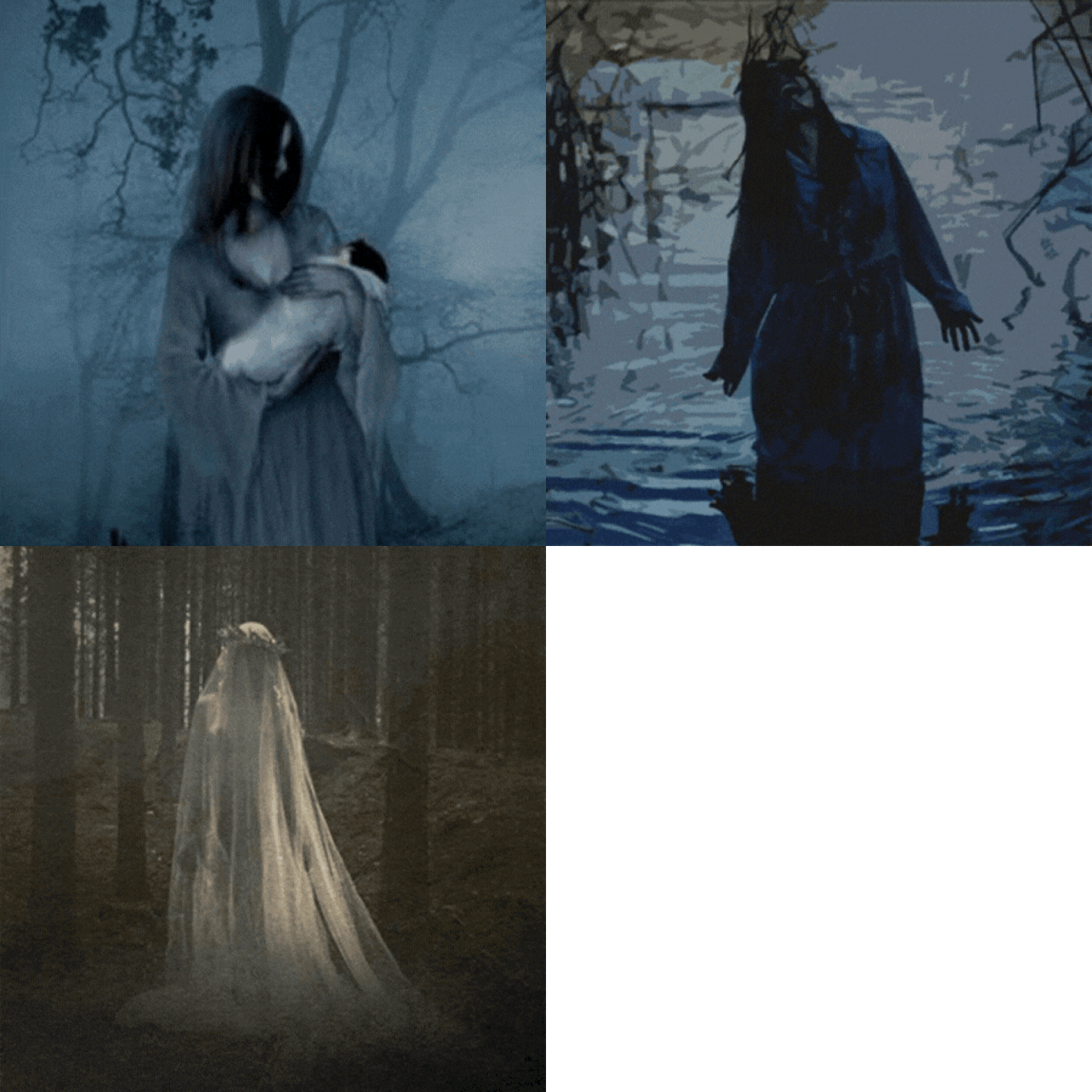
gif of three depictions of La Llorona Lucerito Ramírez, CC BY-SA 4.0

The Legend of La Llorona

La Llorona, or "The Weeping Woman," is one of the most chilling and enduring legends in Latin American folklore. The most common version tells of a beautiful woman named Maria who drowned her children in a river, either in a fit of grief, jealousy, or revenge. Once she realized what she had done, she threw herself into the water and died. But instead of finding peace, her spirit became cursed to wander the earth.

On quiet nights, especially near rivers or lakes, many claim to hear her crying out: “¡Ay, mis hijos!” (“Oh, my children!”). Her wails are said to be a warning to children to stay indoors and to behave, or else La Llorona will mistake them for her lost children and take them away.

The story has countless variations, but its emotional core remains the same, a tale of tragedy, guilt, and eternal punishment. For generations, parents have whispered her name as both a cautionary tale and a bedtime threat, passing down fear through the family line like an heirloom.
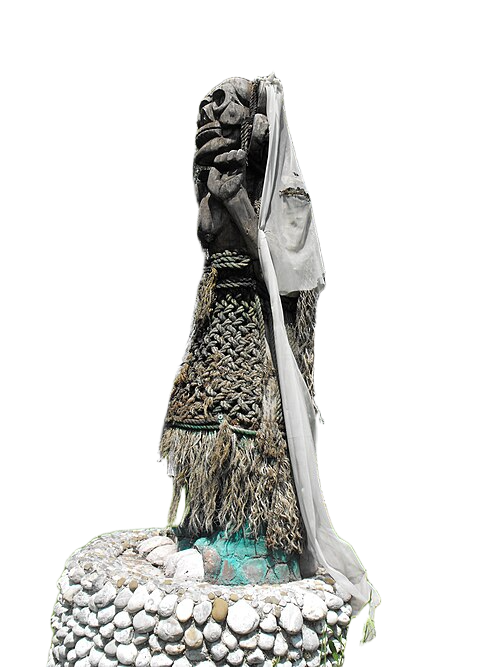
Statue of La Llorona in Xochimilco, Mexico KatyaMSL, CC BY-SA 4.0

La Llorona in Music, Film, and Art

The influence of La Llorona extends far beyond oral storytelling. She has inspired musicians, filmmakers, and visual artists across the world. One of the most iconic songs in Mexican folk music is "La Llorona", a haunting ballad performed by artists such as Chavela Vargas and Lila Downs, often during Día de los Muertos celebrations.

In cinema, La Llorona has appeared in both Latin American and Hollywood productions. Notable films include the Guatemalan political horror La Llorona (2019), and the supernatural thriller The Curse of La Llorona (2019), part of the Conjuring universe. She also appears in animated films and television episodes that explore her legend.

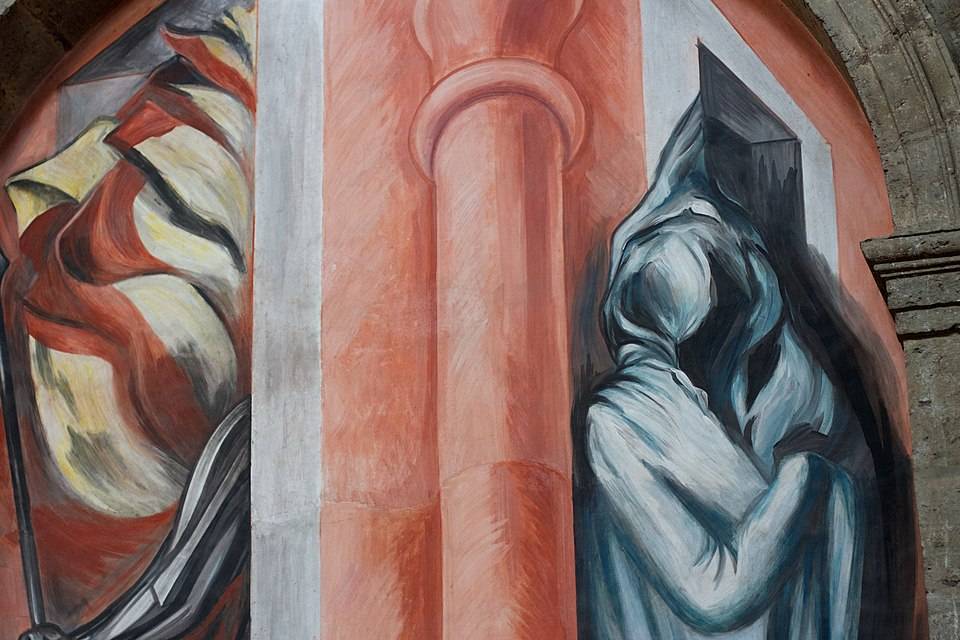
Murals, sculptures, and other artwork often depict her ghostly figure in long white robes, hair covering her face, crying by the water. Her presence in the arts keeps her legend alive, constantly evolving while holding onto its eerie emotional power.

Mural of La LLorona by José Clemente cogdogblog, CC BY 2.0
Regional Variations of La Llorona
Country/Region Name/Local Version Key Traits
Mexico La Llorona Wails for her drowned children near rivers. Used to scare children into obedience
Guatemala La Llorona Ghostly figure seen near churches or colonial streets.
Colombia La Muelona / La Llorona Mixes with tales of a cursed woman with large teeth; targets unfaithful men.
Venezuela La Sayona Similar warning spirit; punishes cheating men.
Chile La Pucullén A weeping woman ghost near rivers who causes death to those who see her.
Puerto Rico La Llorona Said to haunt abandoned houses or rural areas.
Southwest U.S. La Llorona Folklore shared by Mexican-American communities; appears near ditches or arroyos.
No matter the country, she wanders, weeping for what can’t be undone.
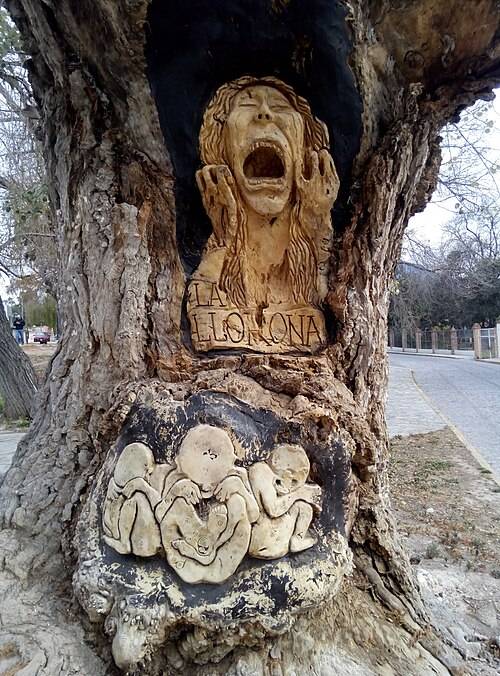
Carved tree with La Llorona and children in Arteaga, Coahuila Gabriel Perez Salazar, CC BY-SA 4.0