The Leopeards Of Africa
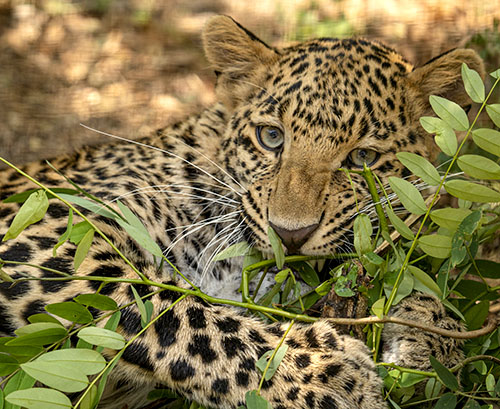

The leopard's range in 1750 included almost all of Africa south of the Sahara, as well as portions of north and northeast Africa, Asia Minor, Central Asia, India, China, and Manchuria. Smaller communities were dispersed across Central Asia, India, Southeast Asia, eastern China and Manchuria, and the Korean peninsula, while other sizable pockets persisted throughout sub-Saharan Africa, Iran, and the Himalayas. Leopards are highly adaptable and can thrive in diverse habitats, including forests, savannas, grasslands, rocky areas, and even mountainous regions. However, many of their populations are endangered.
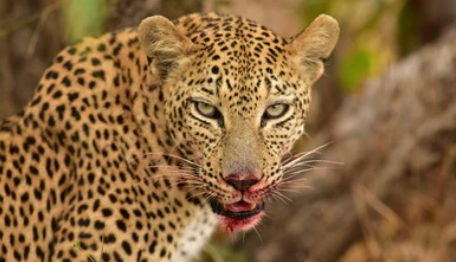
Leopards are aggressive hunters with a varied diet that varies greatly depending on where they live and what prey is available. They mostly hunt medium-sized ungulates, such as gazelles, deer, and antelope, because they are carnivores. Their tendency to eat a variety of other creatures, such as fish, amphibians, reptiles, birds, small mammals like hares and mice, and primates like baboons and monkeys, demonstrates their flexibility. When other food sources are limited, they may even eat insects and carrion. Because of their adaptability in selecting their diet, leopards may flourish in a range of environments.
For more information, click the link to the Leopard article on the Britannica website.