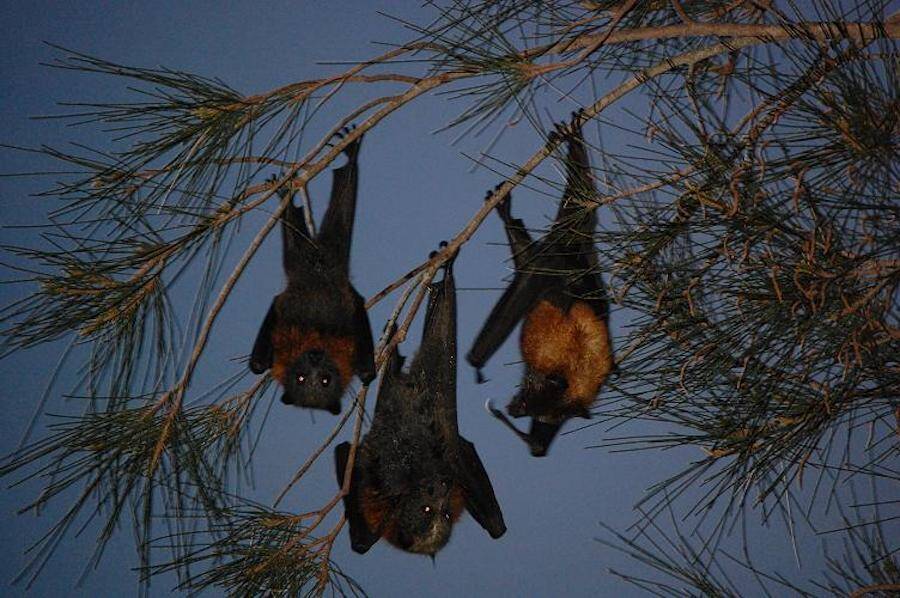
The giant golden-crowned flying fox (Acerodon jubatus) is endemic exclusively to the Philippines, thriving primarily in lush, untouched forest habitats. It is especially reliant on pristine lowland forests and riparian zones along rivers, where fruit-bearing trees like figs, its main dietary staple, are abundant. These environments provide not only nutritional resources but also essential roosting sites. Due to their specialized habitat needs, these bats are sensitive indicators of ecosystem health, with their presence reflecting the overall condition of their environment. They tend to avoid areas disturbed by significant human activity, underscoring their vulnerability to habitat disruption.
Unfortunately, the Giant Golden-Crowned Flying Fox is facing severe threats from ongoing deforestation and habitat fragmentation driven primarily by logging, agriculture expansion, and urban development. Currently, less than 10% of the original Philippine lowland forest cover remains, significantly reducing available habitats and placing immense pressure on this species. Conservation initiatives, including habitat protection, reforestation, and community education programs, are vital to preserving this species. Many efforts focus on establishing and maintaining protected areas that limit human interference, allowing natural habitats to regenerate and support sustainable populations of flying foxes. Moreover, community-based conservation strategies aim to balance ecological protection with local livelihoods, helping residents understand the importance of maintaining biodiversity and ecological balance for their own long-term benefit.