LANDSCAPE OF CHAMELEON HABITAT

HABITAT DESCRIPTION
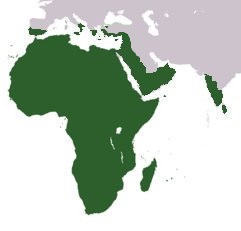
These reptiles are primarily found in Warm Regions
About half of all species are native to Madagascar
The other half inhabit parts of:
+ MAINLAND AFRICA +
+ SOUTHERN EUROPE +
+ THE MIDDLE EAST +
+ SOUTHERN ASIA +
+ ISLANDS SUCH AS SRI LANKA +
Chameleons inhabit a diverse array of environments, reflecting their adaptability across warm climates.
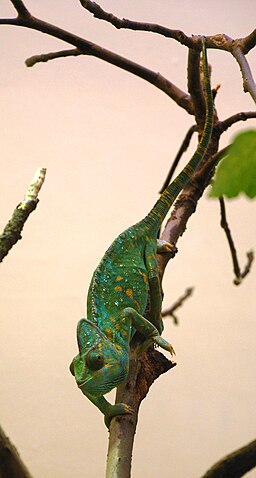
Most species are arboreal, thriving in trees and bushes
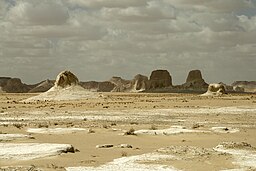
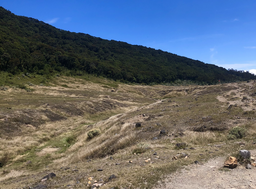
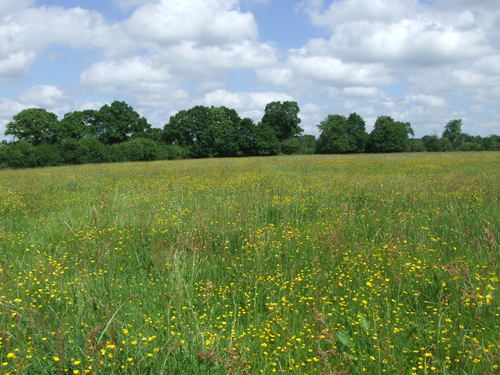
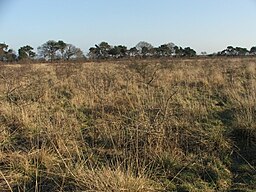
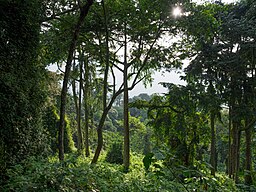
CHAMELEON HABITATS INCLUDE
RAINFORESTS
SAVANNAHS
DESERTS
SCRUBLANDS
MONTANE FORESTS
IN CAPTIVITY
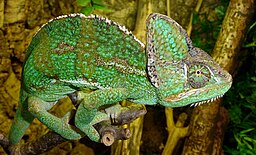
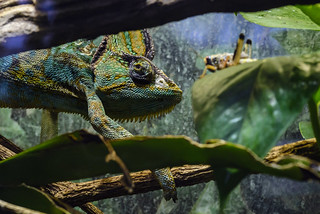
A CHAMELEON IN A ZOO
Due to dwindling habitats it is common for many zoo's to breed and keep different species of Chameleon in order to
ASSIST IN CONSERVATION EFFORTS
PHYSICAL TRAITS BUILT FOR HABITAT
The chameleon's five toes are modified into groups:
ON THE FOREFOOT:
* The two outside toes are joined to form one group
* The three inside toes form another
THE HIND FOOT:
* Is arranged the opposite way
This allows a Chameleon to grasp branches just like our thumbs and fingers can grasp objects
THE CHAMELEONS TAIL
Assists with life in the trees
* Most Chameleons have a prehensile tail that can wrap around tree branches while climbing *
* The chameleon's tail cannot be broken off and regrown like those of many other lizards
TEMPERATURE

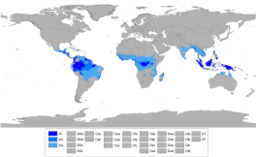
These habitats share key traits:
+ Warm temperatures (often 70–90°F) +
+ Access to vegetation for climbing +
+ A mix of sun and shade for thermoregulation +
Chameleons adjust their perch—higher branches for cooling breezes as well as denser foliage for warmth or hiding—based on weather and time of day.
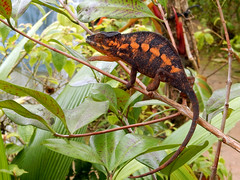
A CHAMELEON IN THE WILD
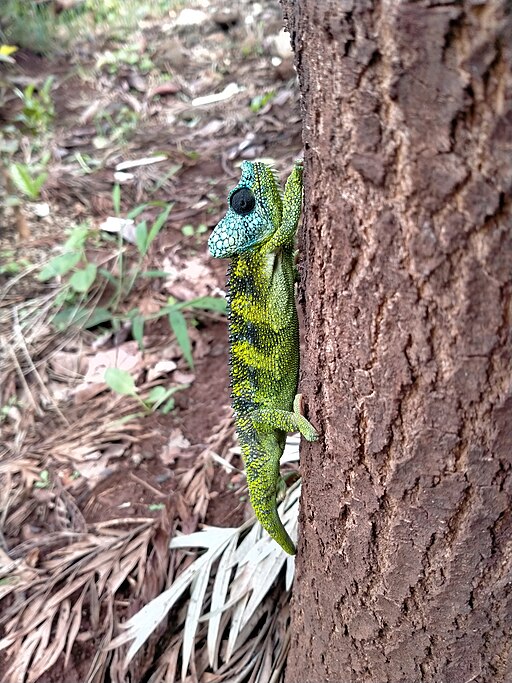
DISCLAIMER
Habitat destruction from slash-and-burn agriculture, logging, and urban growth threatens the Chameleon ecosystems, shrinking the spaces where chameleons thrive and pushing some species toward extinction.