Leopard Behavior: Unveiling the Secrets of the Ghost Cat
Elusive and Adaptable: The Art of Survival
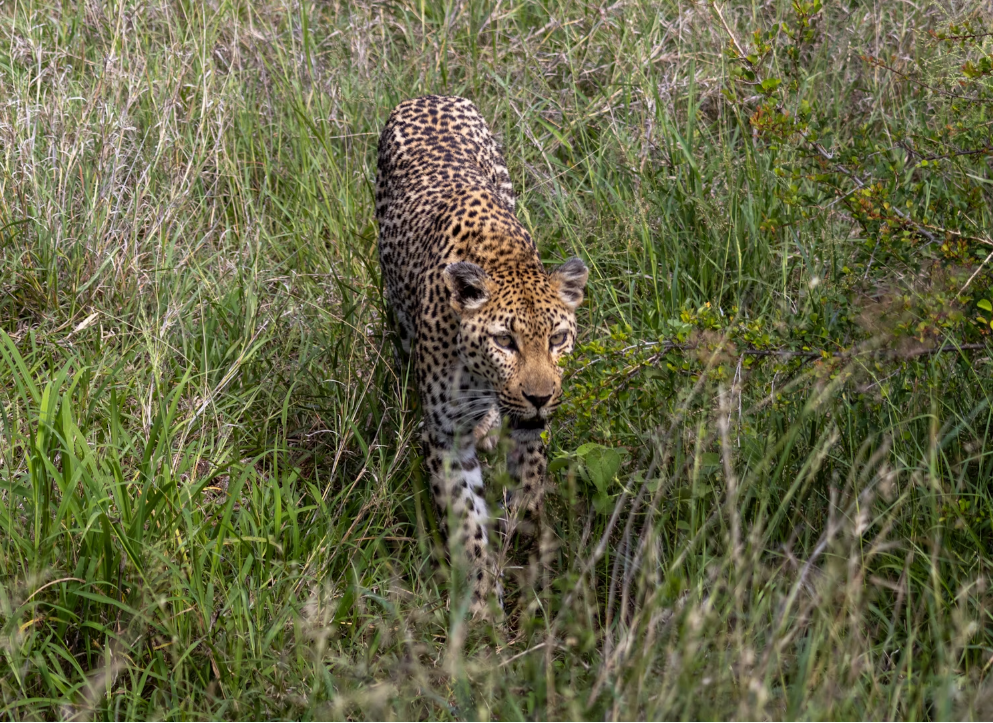
Leopards are renowned for their elusiveness, often referred to as "ghost cats" due to their ability to seemingly vanish into thin air. This remarkable adaptability is a testament to their behavioral flexibility, allowing them to thrive in a diverse range of habitats, from the dense forests of the Congo Basin to the arid savannas of sub-Saharan Africa. They are equally comfortable navigating dense undergrowth, scaling towering trees, or traversing rocky terrain, showcasing their remarkable versatility.
Their secretive nature is deeply ingrained in their behavior. They are predominantly solitary creatures, except during mating season or when mothers are raising cubs. This solitary lifestyle is reflected in their hunting strategies, relying on stealth and ambush rather than cooperative hunting like lions. This independence allows them to thrive in a variety of environments without relying on a pack, making them highly adaptable predators.
Nocturnal Hunters: Under the Cover of Darkness
Leopards are primarily nocturnal hunters, taking advantage of the cover of darkness to stalk their prey. Their exceptional night vision and acute hearing give them a distinct advantage in low-light conditions. They move with incredible stealth, their padded paws making barely a sound as they close in on their target. They are opportunistic feeders, with a diet that varies depending on their location and prey availability. From small rodents to large ungulates, nothing is off the menu for these versatile predators. This adaptability in diet ensures their survival in fluctuating environments, where food sources may be scarce or abundant.
Communication: A Language of Scents and Sounds
Leopards communicate using a complex system of vocalizations, scent marking, and visual displays. Their distinctive roars, growls, and coughs serve to establish territories, attract mates, and warn off rivals. These vocalizations echo through their territories, carrying messages across vast distances. They also use scent marking, rubbing their bodies against trees and rocks to deposit their unique odor, a clear message to other leopards in the area. This combination of vocal and olfactory communication allows them to maintain social order and avoid unnecessary conflict.
Climbing Prowess: Lords of the Canopy
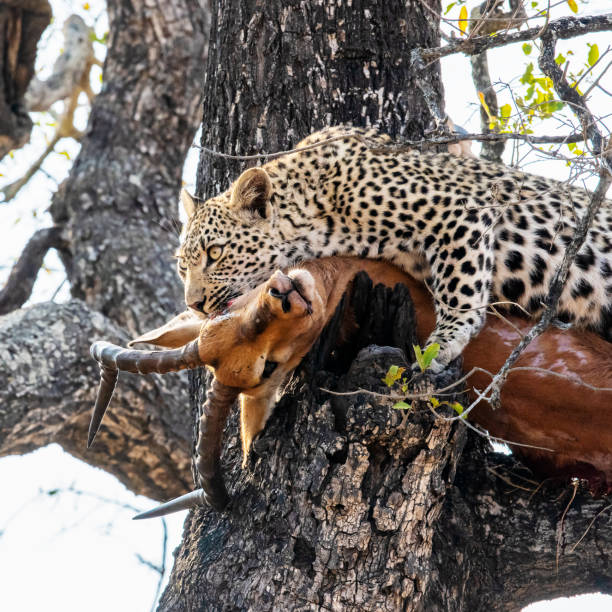
Leopards are exceptional climbers, often seen lounging in trees or hauling their kills into the branches to keep them safe from scavengers. This arboreal lifestyle is a key aspect of their behavior, providing them with a safe haven, a vantage point for hunting, and a place to raise their cubs away from danger. Their powerful limbs and sharp claws allow them to effortlessly scale even the tallest trees, making them masters of both the ground and the canopy.
Conservation Challenges: Protecting the Ghost of the Wild
Despite their adaptability, leopards face numerous conservation challenges. Habitat loss, human-wildlife conflict, and the illegal wildlife trade all pose significant threats to their survival. Conservation efforts are crucial to protect these magnificent creatures and ensure their continued presence in the wild. By supporting organizations dedicated to leopard conservation, we can contribute to the preservation of this iconic species and its vital role in the ecosystem.
For more information, visit the Leopard page on the World Wildlife Fund website.