Guitar Gear
Guitar gear refers to all the equipment and accessories that guitarists use alongside their instruments to shape, amplify, and enhance their sound. Beyond the guitar itself, gear can include amplifiers, effect pedals, cables, picks, tuners, straps, and stands. One of the most essential pieces of gear is the amplifier, which takes the signal from electric (or acoustic-electric) guitars and makes it loud enough for practice, performance, or recording. Amps come in various types, including tube, solid-state, and digital modeling amps, each offering distinct tonal characteristics. Meanwhile, effect pedals are used to modify a guitar’s sound in creative ways—adding distortion, delay, reverb, chorus, or even pitch shifting. Many guitarists use a pedalboard to organize and power their pedals during live performances.
A typical guitar setup will vary depending on the guitarist’s style, but usually includes a combination of a guitar, amplifier, and a few core pedals. For example, a rock player might run their guitar through an overdrive pedal and a reverb pedal into a tube amp for a gritty but rich tone. A jazz guitarist, on the other hand, might rely on a clean amp with a hollow-body guitar and minimal effects. More advanced setups could involve multi-effects processors, loopers, or even MIDI controllers for integrating digital gear. Accessories like capos, slide bars, and string dampeners further expand a player’s toolkit, while maintenance gear—like string winders, cleaning kits, and spare parts—keeps everything running smoothly. Ultimately, guitar gear helps players customize their sound, adapt to different environments, and explore new creative directions.
Let's take a look at some basic gear you might want as a beginner guitarist.
Acoustic Guitar
For acoustic guitar, you may want the following gear:
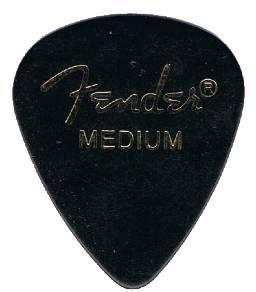
- Guitar picks - Thinner picks are usually easier to strum chords with, thicker picks are better for playing riffs
- Clip-on tuner - Clips onto your guitar's headstock, allowing you to tune easily. Phone apps can work if you don't have a tuner
- Guitar Strap - Lets you play standing up!
- Capo - Let's you easily change the key you are playing in. Useful for playing Wonderwall
- Extra Strings - Strings get worn out or break. It's nice to have some extra in case that happens!
Electric Guitar (Rock)
If you are playing rock, you may want the following gear:
- Guitar picks - You'll probably want a thicker one to handle all the crazy strumming and riffs you'll be playing
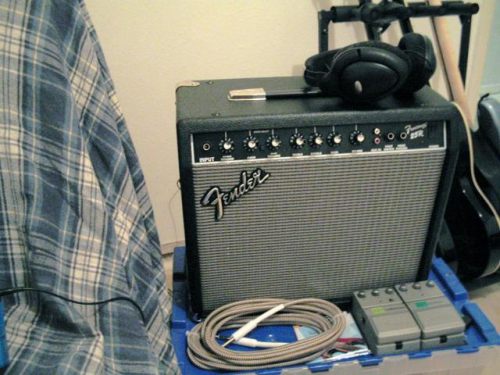
- Amplifier - For rock, you probably want one with built in Overdrive, like the Fender Mustang LT25
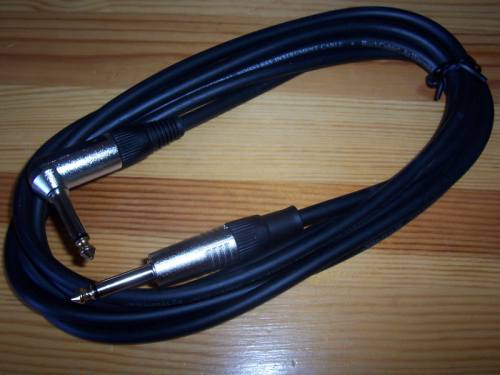
- Guitar Cables - 1/4” cable to connect your guitar to the amp
- Guitar Strap - Is it really rock if you aren't standing?
And if you have extra money:
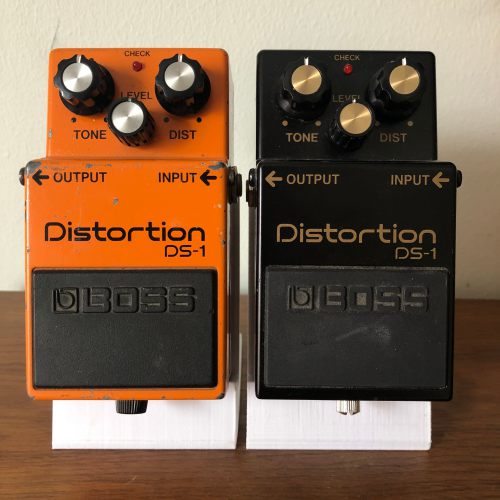
- Distortion or Overdrive pedal - If your amp doesn’t have good built-in distortion, pedals like the Boss DS-1 or Ibanez Tube Screamer sound amazing
Electric Guitar (Jazz)
If you are playing jazz, you may want the following gear:
- Guitar picks - Like rock, you'll probably want thicker picks for fast picking
- Clean Amplifier - Jazz focuses heavily on rich clean tones instead of heavily distorted ones
- Flatwound Strings - Flatwound strings have a smoother and warmer jazzy tone
- Guitar Cables - 1/4” cable to connect your guitar to the amp
- Guitar Strap - Nice if you're standing
- Metronome - Timing is very important for jazz