Habitat and Distribution
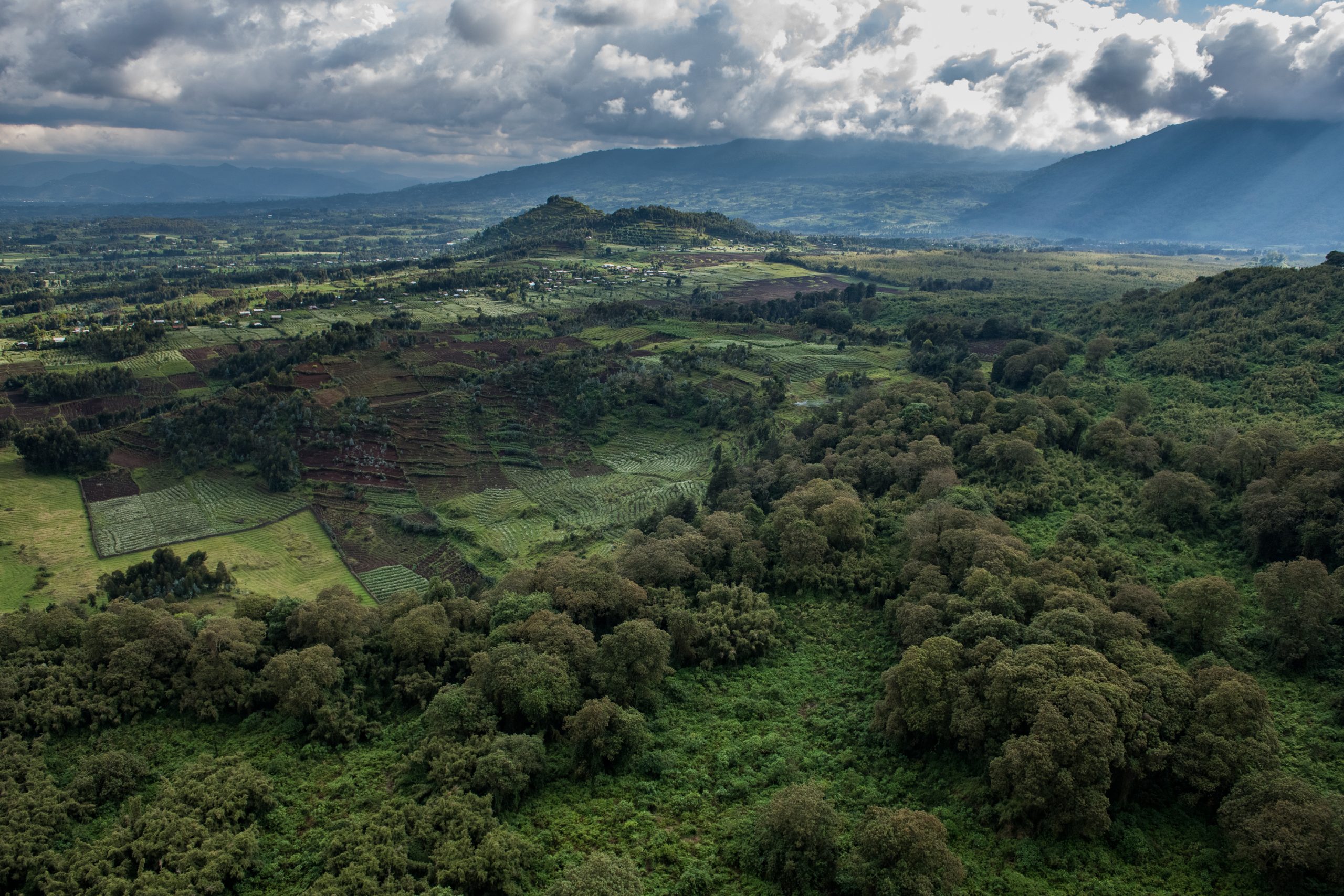
Gorillas have a patchy distribution. The range of the two species is separated by the Congo River and its tributaries. The western gorilla lives in west central Africa, while the eastern gorilla lives in east central Africa. Between the species, and even within the species, gorillas live in a variety of habitats and elevations. Gorilla habitat ranges from montane forest to swampland. Eastern gorillas inhabit montane and submontane forests between 650 and 4,000 m (2,130 and 13,120 ft) above sea level.
Resistance to Climate Change
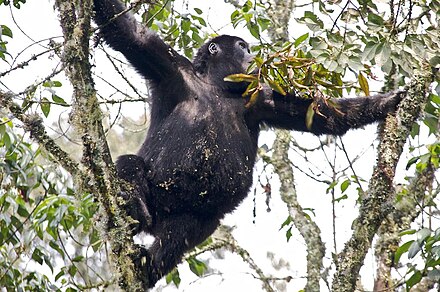
Mountain gorillas can tolerate a wide range of temperatures and feed on a variety of abundant food. If the weather gets warmer or a particular food plant dies out, gorillas can potentially tolerate the heat and eat different flora. But other traits will limit their ability to cope with changes in climate: susceptibility to disease, a small population size, a low reproductive rate and limited genetic variation. They also have a limited dispersal ability—while they have the physical capacity to move, there is nowhere to go. Why? The two national parks that make up the gorillas’ current habitat are surrounded by human settlements, and human activities continue to expand. All of these traits make mountain gorillas vulnerable to the effects of climate change.