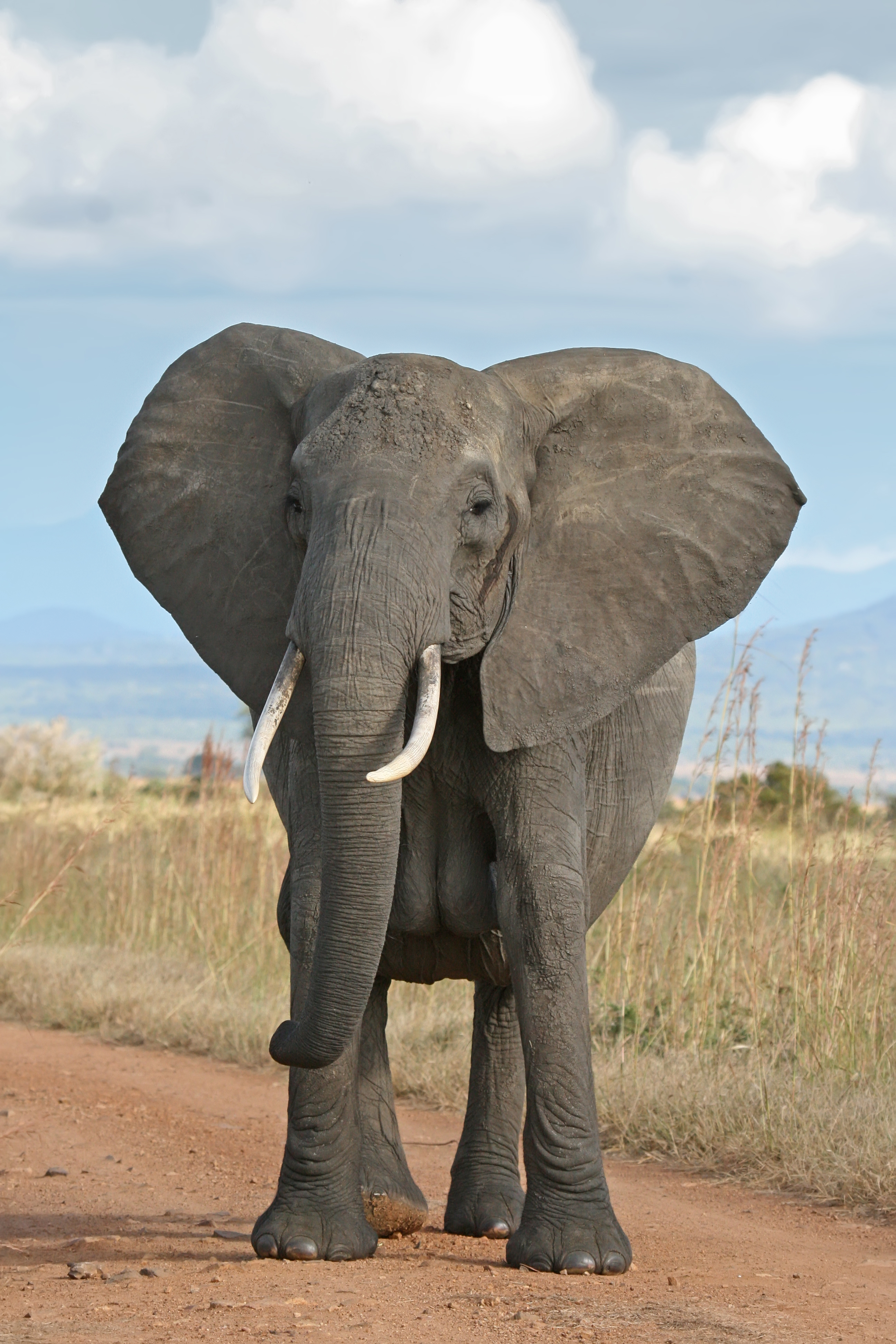
The African elephant (Loxodonta) is the largest land mammal and is found primarily in sub-Saharan Africa. These elephants inhabit savannas, forests, deserts, and swamps, depending on the subspecies. They are highly social animals, living in matriarchal herds and traveling great distances to find food and water.
One of the most well-known places where African elephants can be found is Kruger National Park in South Africa. This park provides a diverse ecosystem that supports these elephants by offering abundant vegetation and access to water sources. Conservation efforts in Kruger help maintain the elephant population while balancing ecological sustainability.
In addition to Kruger National Park, African elephants are also commonly found in the Serengeti National Park in Tanzania. The Serengeti is well known for its annual migration of over 1.5 million wildebeest and hundreds of thousands of zebras, which share the ecosystem with elephants. This diverse habitat provides vast grasslands, woodlands, and seasonal water sources, making it an ideal environment for elephants to thrive.
African elephants play a crucial role in their ecosystems by shaping landscapes, creating waterholes used by other animals, and dispersing seeds that help maintain biodiversity. However, they face threats such as habitat destruction and poaching, making conservation efforts essential for their survival.
For more information, visit the Wikipedia page on African elephants.
Contact the webpage author: Email Us