"The domestic cat is a cosmopolitan species and occurs across much of the world.[48] It is adaptable and now present on all continents except Antarctica, and on 118 of the 131 main groups of islands, even on the remote Kerguelen Islands.[179][180] Due to its ability to thrive in almost any terrestrial habitat, it is among the world's most invasive species.[181] It lives on small islands with no human inhabitants.[182] Feral cats can live in forests, grasslands, tundra, coastal areas, agricultural land, scrublands, urban areas, and wetlands.[183] The unwantedness that leads to the domestic cat being treated as an invasive species is twofold. As it is little altered from the wildcat, it can readily interbreed with the wildcat. This hybridization poses a danger to the genetic distinctiveness of some wildcat populations, particularly in Scotland and Hungary, possibly also the Iberian Peninsula, and where protected natural areas are close to human-dominated landscapes, such as Kruger National Park in South Africa.[184][44] However, its introduction to places where no native felines are present also contributes to the decline of native species.[185]"
You can also find cats inside of my very own home. Thanks to my girlfriend
working at the Rohnert Park Animal Shelter I have been gifted the chance to
raise my very own cat here in Santa Rosa, California. Her name is Tooti because
she likes to fart a lot. The issue resolved itself once she got older, but dang
did that cat know how to let loose back when she was a kitten.
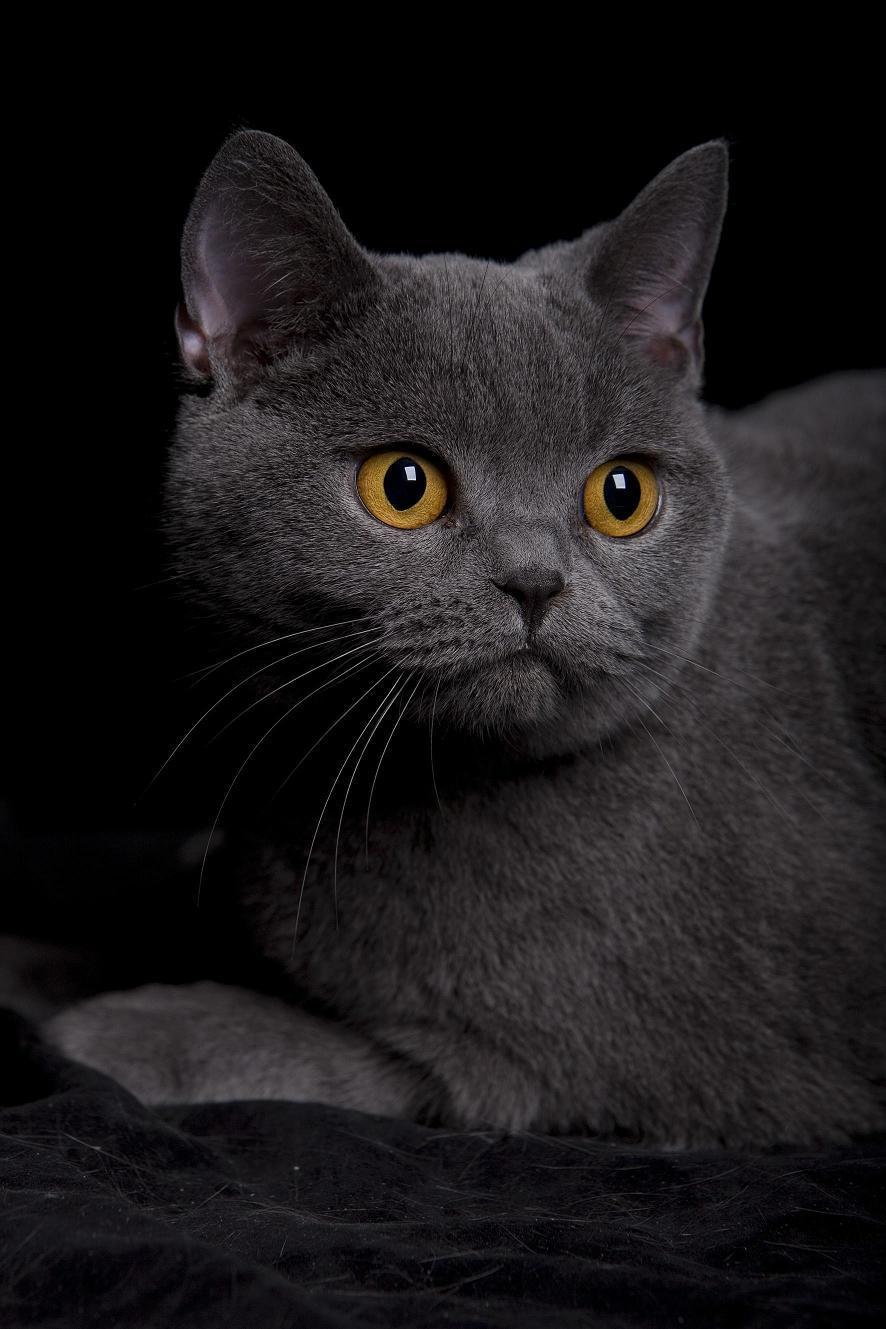 By Dovenetel at Dutch Wikipedia - Transferred from nl.wikipedia to Commons., Public Domain, Link
If you want to check out the related Wikipedia article you can do so here.