Lucid Dreaming
During a lucid dream, the dreamer may gain some amount of volitional control over the dream characters, narrative, or environment, although this control of dream content is not the salient feature of lucid dreaming.[3][4][5][6] An important distinction is that lucid dreaming is a distinct type of dream from other types of dreams such as prelucid dreams and vivid dreams, although prelucid dreams are a precursor to lucid dreams, and lucid dreams are often accompanied with enhanced dream vividness. Lucid dreams are also a distinct state from other lucid boundary sleep states such as lucid hypnagogia or lucid hypnopompia.
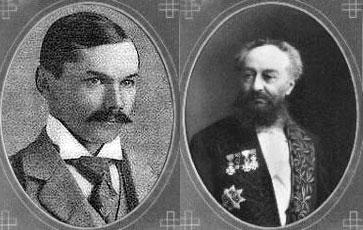
derivative work: Basilus LINK, Public domain, via Wikimedia Commons

The term lucid dream was coined by Dutch author and psychiatrist Frederik van Eeden in his 1913 article A Study of Dreams,[6] though descriptions of dreamers being aware that they are dreaming predate the article.[6] Psychologist Stephen LaBerge is widely considered the progenitor and leading pioneer of modern lucid dreaming research.[10] He is the founder of the Lucidity Institute at Stanford University.
Paul Tholey laid the epistemological basis for the research of lucid dreams, proposing seven different conditions of clarity that a dream must fulfill to be defined as a lucid dream:
- Awareness of the dream state (orientation)
- Awareness of the capacity to make decisions
- Awareness of memory functions
- Awareness of self
- Awareness of the dream environment
- Awareness of the meaning of the dream
- Awareness of concentration and focus (the subjective clarity of that state)
Later, in 1992, a study by Deirdre Barrett examined whether lucid dreams contained four "corollaries" of lucidity:
- The dreamer is aware that they are dreaming
- They are aware that actions will not carry over after waking
- Physical laws need not apply in the dream
- The dreamer has a clear memory of the waking world
Barrett found that less than a quarter of lucidity accounts exhibited all four.
Text and Image from Wikipedia